YOTSUBA JAPAN / OSAKAFROM THE YOTSUBA EDITORIAL DESKThe journal
Yotsuba Japan Times

THE JOURNAL / 31 STORIES

Choose a story.
Take a closer look.

Ingredients, research and perspectives from Japan. Open the stories that interest you, and close them when you are ready to explore more.

26INGREDIENT DESK / DIETARY FIBRESOURCE EDITION · 3 JUNE 2026What feeds the microbiota?A new look at dietary fibre: plant ingredients, microbial metabolites and the role of the complete daily diet.Read articleClose article

Editorial starting point: The Health Industry News, 3 June and 20 May 2026. Scientific context from dietary research, consensus definitions and ingredient literature. Published 30 October 2026.

INGREDIENT DESK / DIETARY FIBRESOURCE EDITION · 3 JUNE 2026 · 5 MIN READ

What feeds the microbiota?

A new look at dietary fibre: plant ingredients, microbial metabolites and the role of the complete daily diet.
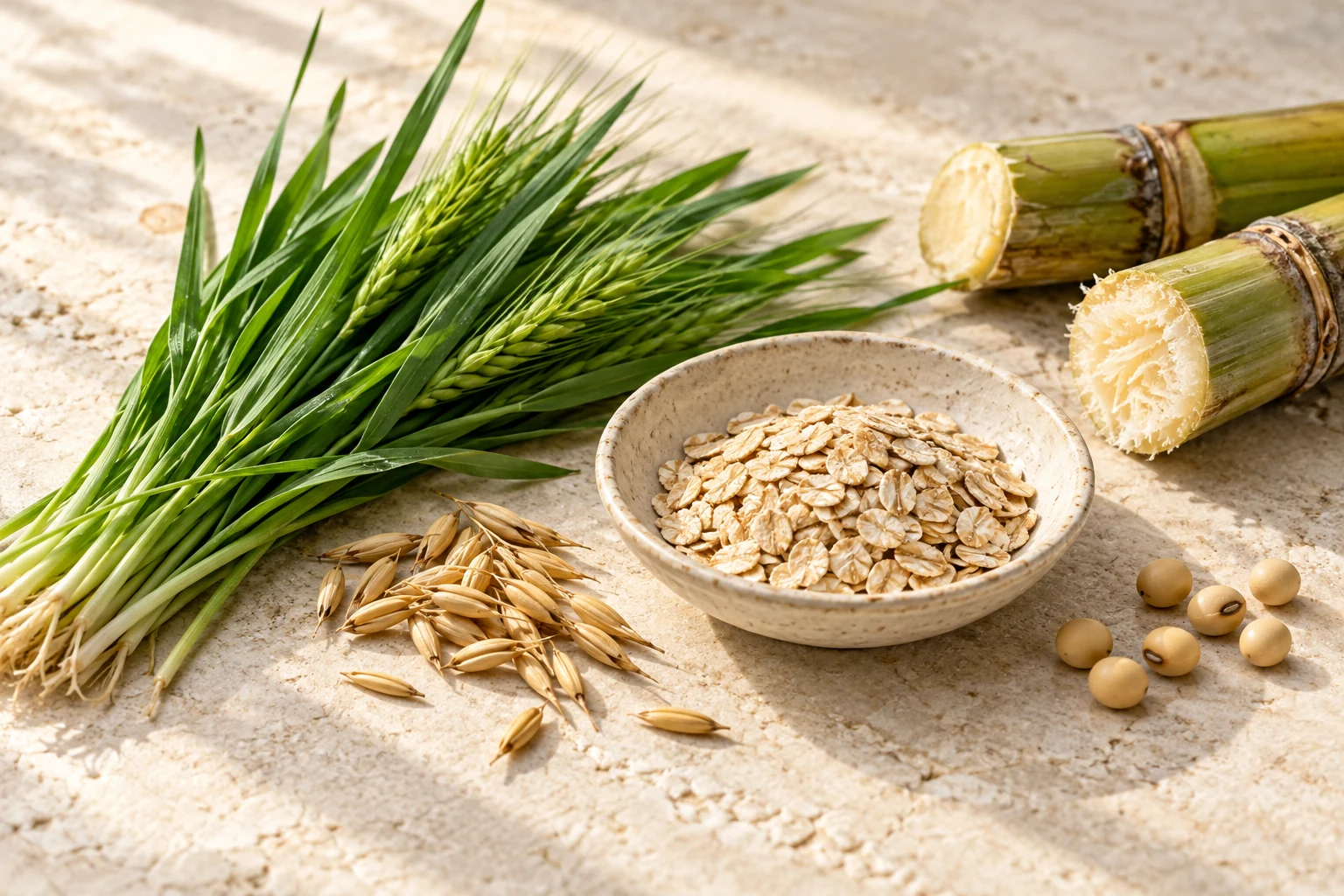
Green cereal leaves, whole grains, rolled oats, sugar cane and soybeans arranged on pale stone
Illustrative plant sources in an AI-generated editorial still life. The scene does not show a measured portion or the actual contents of a Yotsuba formula.

When we talk about the microbiota, bacteria usually receive most of the attention: which are beneficial, how many there should be and how to support their diversity. Alongside those questions sits another: what food is available to these microorganisms?

In 2026, the Japanese industry press returned to dietary fibre. A June feature in The Health Industry News considered growing interest in fermentable fibres, while a May report explored Japanese research and development at the intersection of gut and skin health. This reflects a wider scientific interest in how food changes the work of the microbiota.

Fibre is a family of different substances

Dietary fibres resist digestion by our enzymes in the small intestine. Their paths then differ: some are actively metabolised by microorganisms, while others are poorly fermented and exert their properties mainly through other routes.

The familiar distinction between soluble and insoluble fibre is therefore not enough. Researchers also consider viscosity, water-holding properties and accessibility to microbial fermentation.

Solubility and fermentability are different characteristics. The word fibre on a label does not, on its own, explain how a particular ingredient will behave.

What the microbiota does with fibre

Some intestinal microorganisms have enzymes that break down plant components beyond the reach of our own digestive enzymes.

Fermentation produces, among other substances, short-chain fatty acids: acetate, propionate and butyrate. Butyrate is an important energy source for the cells lining the colon.

Microorganisms can interact during this process: the metabolic products of one group become starting materials for another. Scientific interest therefore extends along the whole chain: the food component, the microbial community and the metabolites it produces.

A CONCEPTUAL PATHWAY / FERMENTABLE FIBRES

From a plant component to microbial metabolites

  1. An accessible substrate

    A fibre reaches the colon and is available to particular microorganisms.

  2. Microbial metabolism

    Microorganisms process it; some exchange intermediate metabolites.

  3. Short-chain fatty acids

    Products can include acetate, propionate and butyrate.

A simplified pathway for fermentable substrates. Different fibres and microbial communities behave differently; it does not describe a measured response to a Yotsuba formula.

When can a fibre be called a prebiotic?

Dietary fibre and prebiotic are often used interchangeably. The scientific definition of a prebiotic is more specific: a substance selectively used by the body’s microorganisms that, through this process, confers a health benefit.

Both microbial utilisation and a demonstrated beneficial outcome matter. Plant origin or fermentability alone is not sufficient.

This helps us read studies more precisely: changes in bacterial abundance, changes in microbial activity and improvements in a particular health measure answer different questions.

More fibre does not always mean more diversity

In a Stanford University study published in Cell in 2021, 36 healthy adults were assigned to two dietary approaches: increased dietary fibre or increased fermented foods. The overall observation protocol lasted 17 weeks.

In the fibre group, the microbiome-encoded repertoire of enzymes involved in breaking down complex carbohydrates increased, while microbial community diversity remained stable on average. Participants’ immune responses also differed.

In the fermented-food group, researchers observed increased microbial diversity and reductions in several inflammatory markers.

The work showed why changes in the microbiota cannot be assessed solely by counting its different members. What the community does matters too. This study examined whole dietary patterns; it did not evaluate an individual capsule or green drink.

The gut and skin: research involving people

The January 2025 issue of the Journal of Clinical Biochemistry and Nutrition published a randomised, double-blind, placebo-controlled study of partially hydrolysed guar gum.

Seventy adults participated. One group received 5 g of this dietary fibre daily and the other a placebo for 12 weeks. Researchers assessed skin hydration, viscoelastic properties and transepidermal water loss, a measure related to the skin barrier.

The authors reported improvements in several measures. In particular, differences from placebo in water loss and viscoelastic characteristics were observed after six weeks.

This is a concrete example of clinical research into the gut–skin relationship. The findings concern a specified fibre, dose and study setting. On their own, they do not establish which microbial mechanism explains the skin changes.

GUT–SKIN RESEARCH / SPECIFIED GUAR-GUM FIBRE

What the clinical study actually tested

  1. 70 adults

    Participants

    Randomised, double-blind, placebo-controlled study.

  2. 5 g

    Daily test amount

    Partially hydrolysed guar gum; the comparison group received placebo.

  3. 12 weeks

    Study duration

    Skin hydration, water loss and viscoelastic characteristics were assessed.

Published in the January 2025 journal issue; first published online in June 2024. The study concerns this fibre preparation, not resistant dextrin, bagasse, PROFIBER or a finished Yotsuba product. Kapoor and colleagues · Original clinical paper

Two fermentations worth distinguishing

Fermentation during ingredient production takes place before consumption: microorganisms transform the starting material.

Fermentation in the intestine takes place after consumption, when the person’s own microbiota metabolises substances accessible to it.

These processes can belong to the same ingredient story, but one does not guarantee the other. Understanding the finished material requires information about its composition after processing and studies of that particular preparation.

PROCESSING AND DIGESTION

Before consumption. After consumption.

  1. During production

    Microorganisms transform a raw material before it becomes an ingredient.

  2. In the intestine

    The resident microbiota metabolises accessible substances after consumption.

Two distinct processes. A fermented ingredient is not automatically a fermentable dietary fibre or a prebiotic.

How this connects with the Yotsuba collection

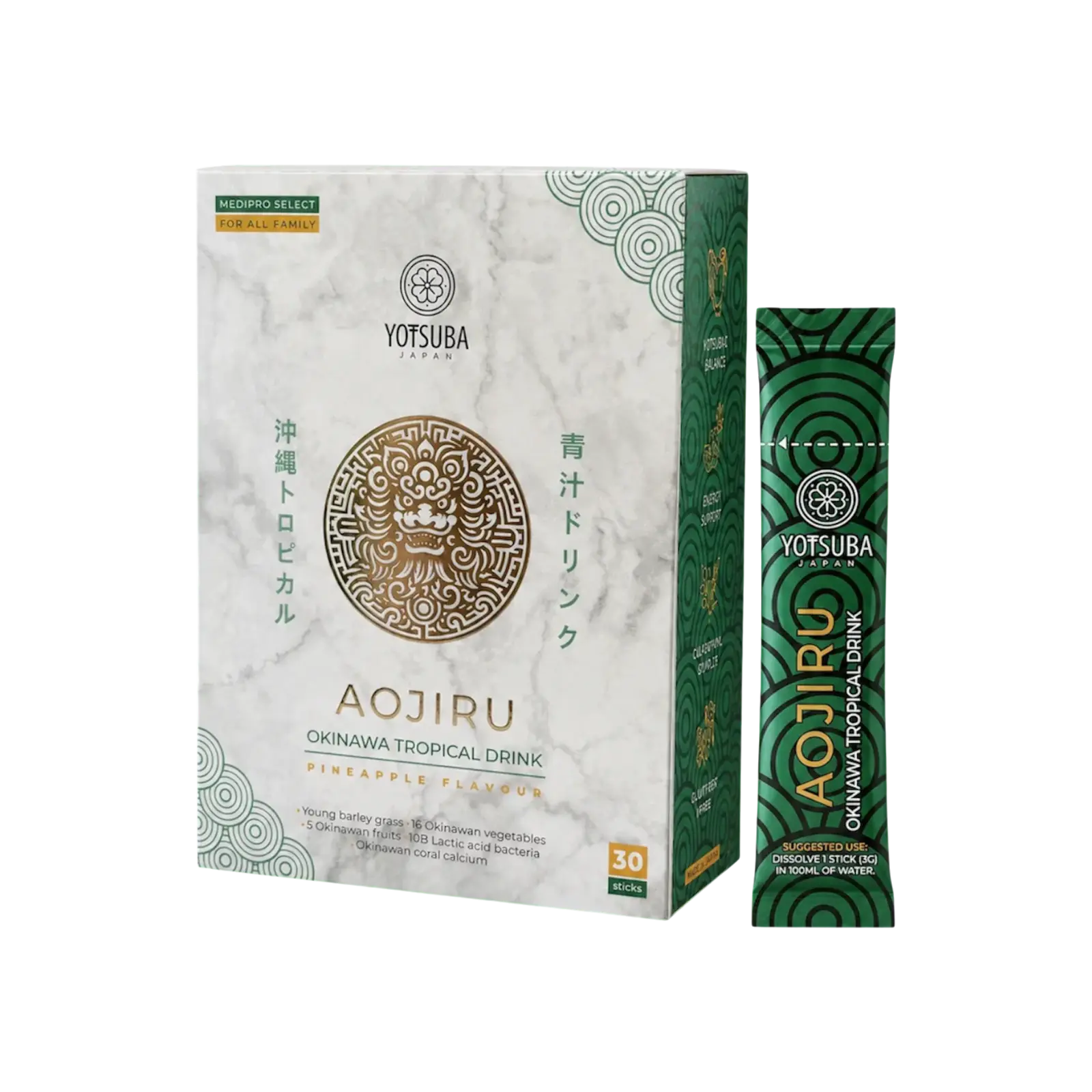
In OKINAWA TROPICAL AOJIRU, young barley leaves and other plant ingredients are combined with fermented bagasse, an ingredient from the fibrous portion of sugar cane. The current composition declares 30 mg of fermented bagasse per stick. This is the ingredient weight; it does not automatically equal the amount of pure dietary fibre.

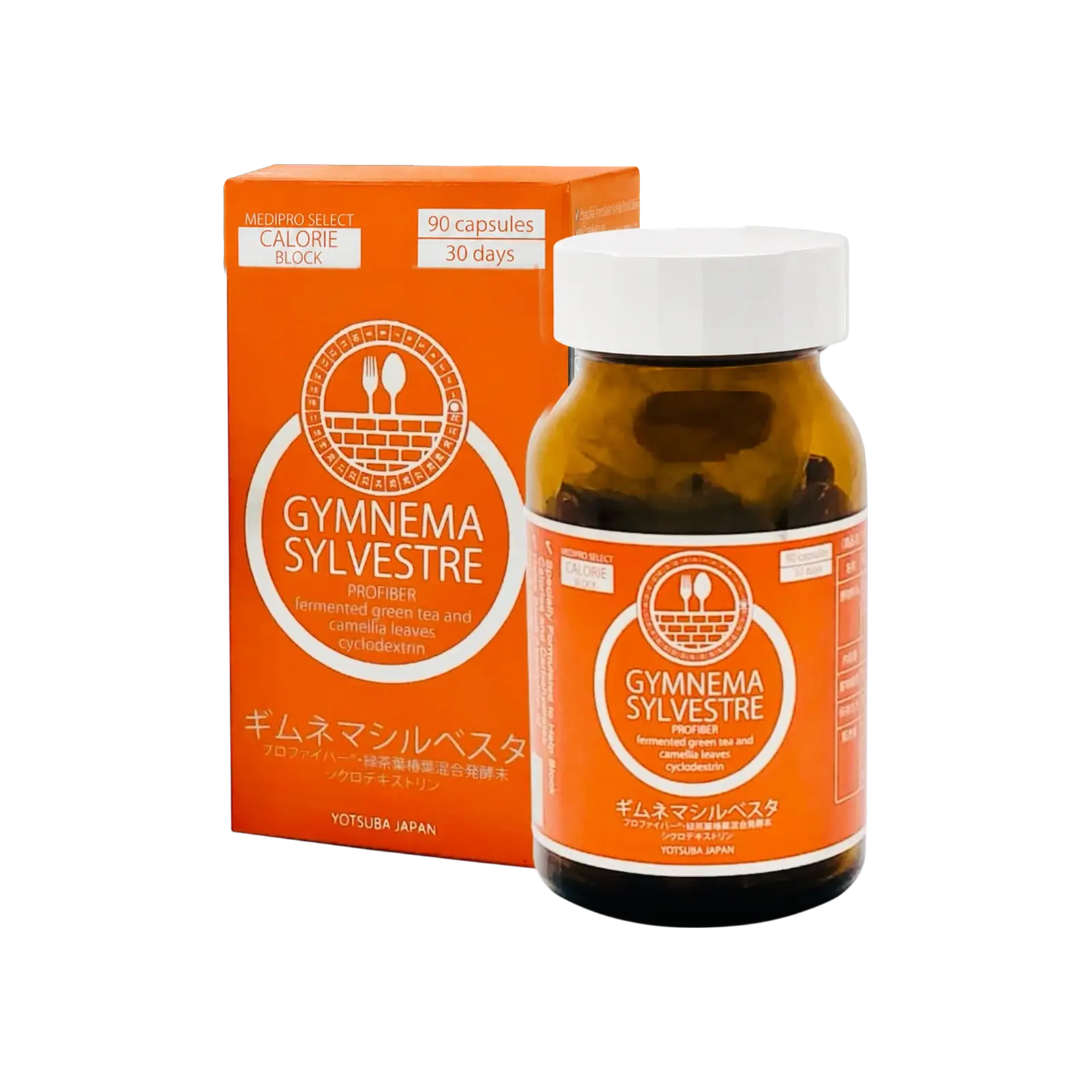
GYMNEMA SYLVESTRE CALORIE BLOCK uses PROFIBER from sake lees, the material remaining after sake production. This is a complex ingredient combining dietary fibre and a digestion-resistant protein fraction. Resistant protein and dietary fibre differ chemically, even when some of their properties are discussed together.

For Yotsuba, an interest in these materials begins with their origin and continues through questions about composition, processing and serving amount. Studies of individual fibres help explain the scientific direction; evaluating a finished formulation requires its own evidence.

Dietary fibre in a beauty formulation

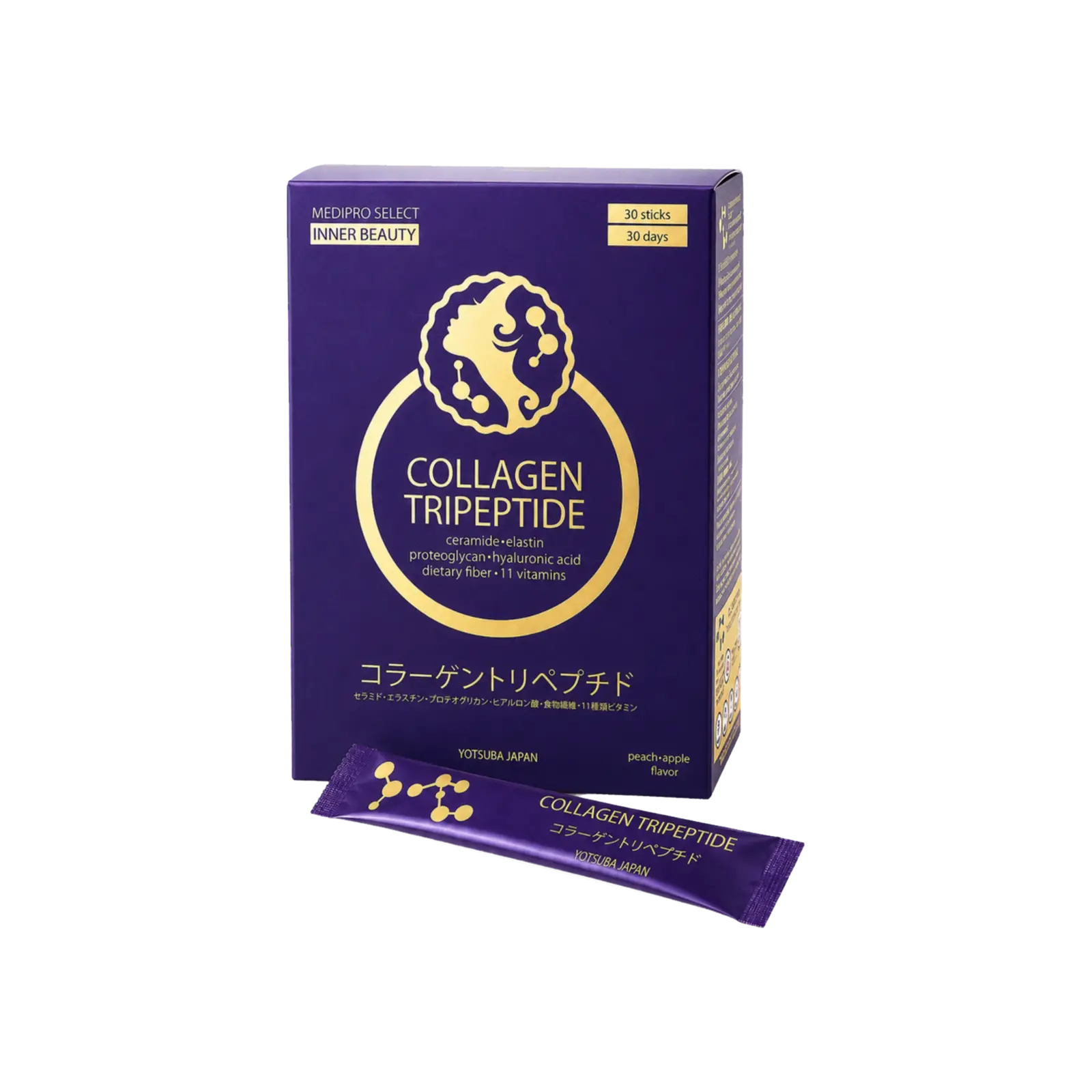
In COLLAGEN TRIPEPTIDE, collagen peptides are combined with resistant dextrin, a soluble dietary fibre.

Its structural characteristics make this dextrin resistant to digestive enzymes. On reaching the colon, it can be partially metabolised by the microbiota, producing short-chain fatty acids.

The composition brings together collagen peptides, beauty-focused components and dietary fibre. It is another reason to consider the complete formula: the properties of each ingredient and its amount in the daily serving matter.

The place of the everyday diet

Nutrition for the microbiota is built from the everyday diet. Vegetables, legumes, whole grains, fruit and nuts provide different plant components. Formulations containing defined ingredients can complement this picture, with a clear composition and a considered role in daily nutrition.

THE YOTSUBA COLLECTION

Explore the different fibre-associated ingredients within these Yotsuba formulas.
END OF ARTICLE
27MARINE NUTRITION / OMEGA-3SOURCE EDITION · 7 MAY 2026Beyond EPA and DHA: meet DPA, the other omega-3.What a drop of marine oil really contains — and the less familiar third fatty acid joining the EPA and DHA story.Read articleClose article

Editorial starting point: the accessible online DHA/EPA feature in The Health Industry News, 7 May 2026, issue 1835. Expanded with human research and current Yotsuba formula information. Published 31 October 2026.

MARINE NUTRITION / OMEGA-3SOURCE EDITION · 7 MAY 2026 · 5 MIN READ

Beyond EPA and DHA: meet DPA, the other omega-3.

What a drop of marine oil really contains — and the less familiar third fatty acid joining the EPA and DHA story.

Three translucent golden oil droplets above an ivory porcelain dish with pale sea reflections
AI-generated conceptual marine-oil still life. The droplets symbolise three fatty acids; they are not molecular structures or measured product quantities.

A golden soft capsule looks simple. Inside, however, is a mixture of lipids with different structures, sources and biological roles. The useful question is not only how much oil it contains, but which fatty acids make up that oil.

Marine omega-3 has become familiar. Looking more closely reveals a story that extends beyond the two names most often printed on the label: EPA and DHA.

A Japanese perspective on marine oils

The 7 May 2026 DHA/EPA feature in the Japanese trade newspaper The Health Industry News describes a growing market and a widening choice of sources and formats. Fish and algae oils, higher concentrations and improved deodorisation are among the directions discussed.

This is industry context, rather than proof that every new format delivers a better health outcome. It does show why learning to read a formula has become increasingly useful.

Omega-3 is a family, not a single substance

Omega-3 describes a family of polyunsaturated fatty acids. Its best-known members include plant-derived alpha-linolenic acid, or ALA, and the long-chain marine fatty acids EPA and DHA. Conversion of ALA into EPA and then DHA is limited, so these sources are not fully interchangeable.

EPA and DHA contribute to cell-membrane lipids. DHA is particularly concentrated in the retina and nervous tissue; EPA is a precursor of lipid signalling molecules. Their roles overlap: the familiar shorthand of DHA only for the brain and EPA only for the heart leaves much of the biology out.

Oil weight is not the same as EPA plus DHA

A label may state the amount of fish oil and separately list its EPA and DHA content. These are different measurements. A capsule containing 1,000 mg of fish oil does not necessarily supply 1,000 mg of EPA and DHA.

Compare the quantities of the named fatty acids in the complete daily serving. Oil source, fatty-acid profile and additional ingredients then provide the rest of the composition story.

What clinical research can — and cannot — tell us

Omega-3 has been examined in large clinical trials, but outcomes depend on the preparation, dose, participants and question being tested. A biological role is not the same thing as a demonstrated treatment effect.

In VITAL, 25,871 participants were randomised and followed for a median of 5.3 years. The tested marine omega-3 preparation did not significantly lower the primary combined outcome of major cardiovascular events compared with placebo, although some secondary outcomes differed. This is why no single promise can describe every omega-3 supplement.

Marine omega-3 meets Japanese fermentation

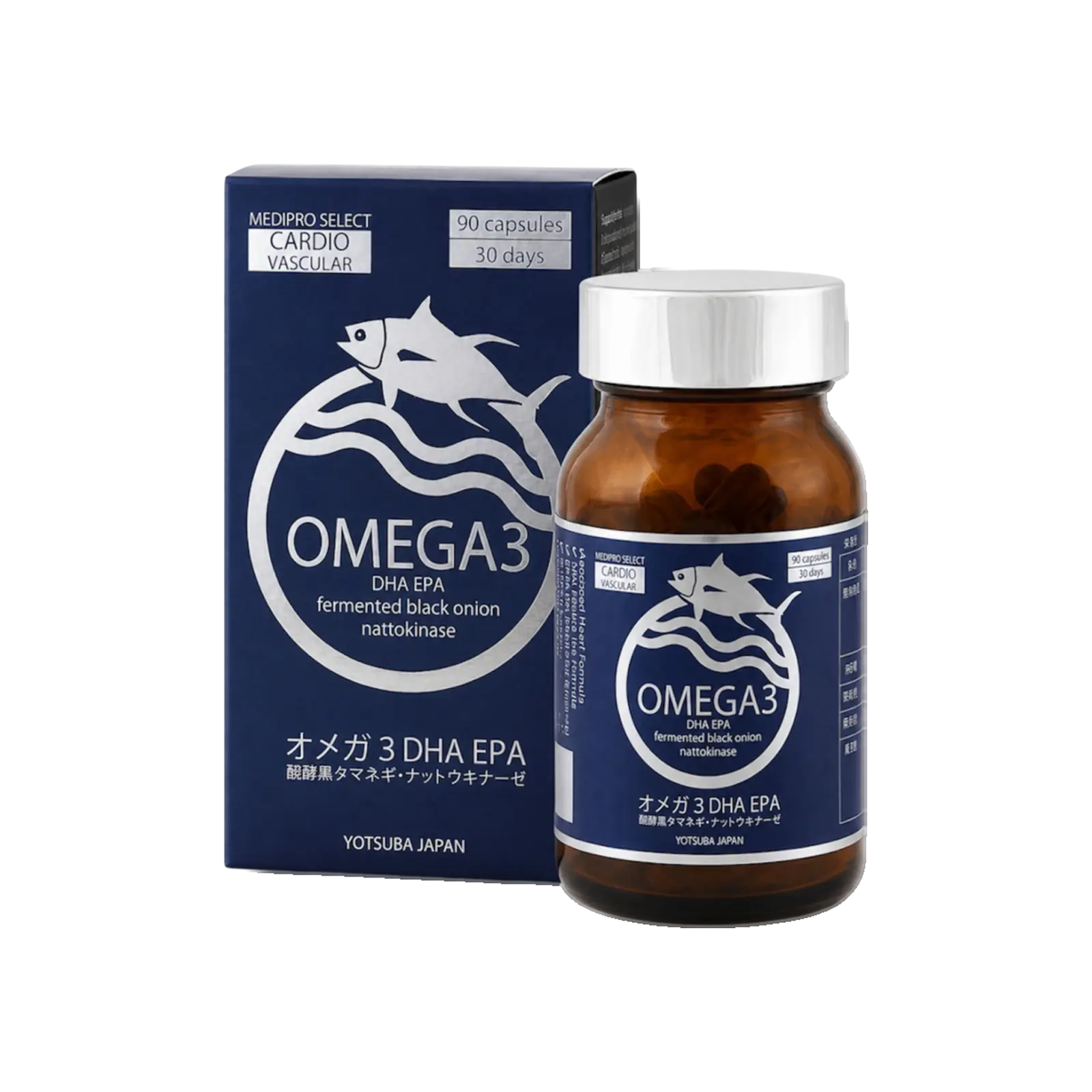
Yotsuba Japan OMEGA-3 DHA EPA combines two refined fish oils with nattokinase powder and fermented black onion. Its three-capsule daily serving contains 867 mg of DHA-containing oil and 265.2 mg of EPA-containing oil. Both oils contribute both fatty acids.

Calculation from the supplied raw-material specifications gives approximately 427 mg DHA and 100 mg EPA per daily serving. These are calculated values, not a laboratory assay of the finished serving. Nattokinase powder is declared at 60 mg and fermented black onion at 30 mg; their inclusion describes the composition, rather than proving a combined clinical effect.

You know EPA and DHA. Now meet DPA.

There is a third name worth recognising: omega-3 docosapentaenoic acid, or DPA. It belongs to the same long-chain fatty-acid family, but is a separate molecule with a distinct metabolic profile.

Seal oil is one marine source supplying EPA, DHA and DPA together. DPA is not exclusive to seal oil: it can also occur in fish oil. In a human trial comparing seal and tuna oils, both preparations contained DPA, but in different amounts. The distinction is the measured fatty-acid profile, rather than a simple division between two animal sources.

THE OMEGA-3 FAMILY / THREE DISTINCT MOLECULES

Two familiar names. A third worth knowing.

  1. 20:5 n-3

    EPA

    20 carbon atoms and five double bonds.

  2. 22:6 n-3

    DHA

    22 carbon atoms and six double bonds.

  3. 22:5 n-3

    DPA

    22 carbon atoms and five double bonds.

Structural shorthand, not a ranking of effectiveness. Here DPA means the omega-3 form; these are separate fatty acids, not three sequential treatment stages.

Why researchers are interested in DPA

In a small, short-term crossover study involving ten women, purified DPA and EPA showed different patterns of incorporation into blood lipids. DPA supplementation also changed the proportions of other omega-3 fatty acids in certain lipid fractions. The authors suggested that DPA might act as a metabolic reservoir of long-chain omega-3s.

This is an interesting hypothesis about metabolism. It does not establish that DPA is universally more effective than EPA or DHA, or that a small amount in a commercial formula reproduces the study findings. Larger clinical outcome studies are a separate question.

The Arctic-oil component in our collection

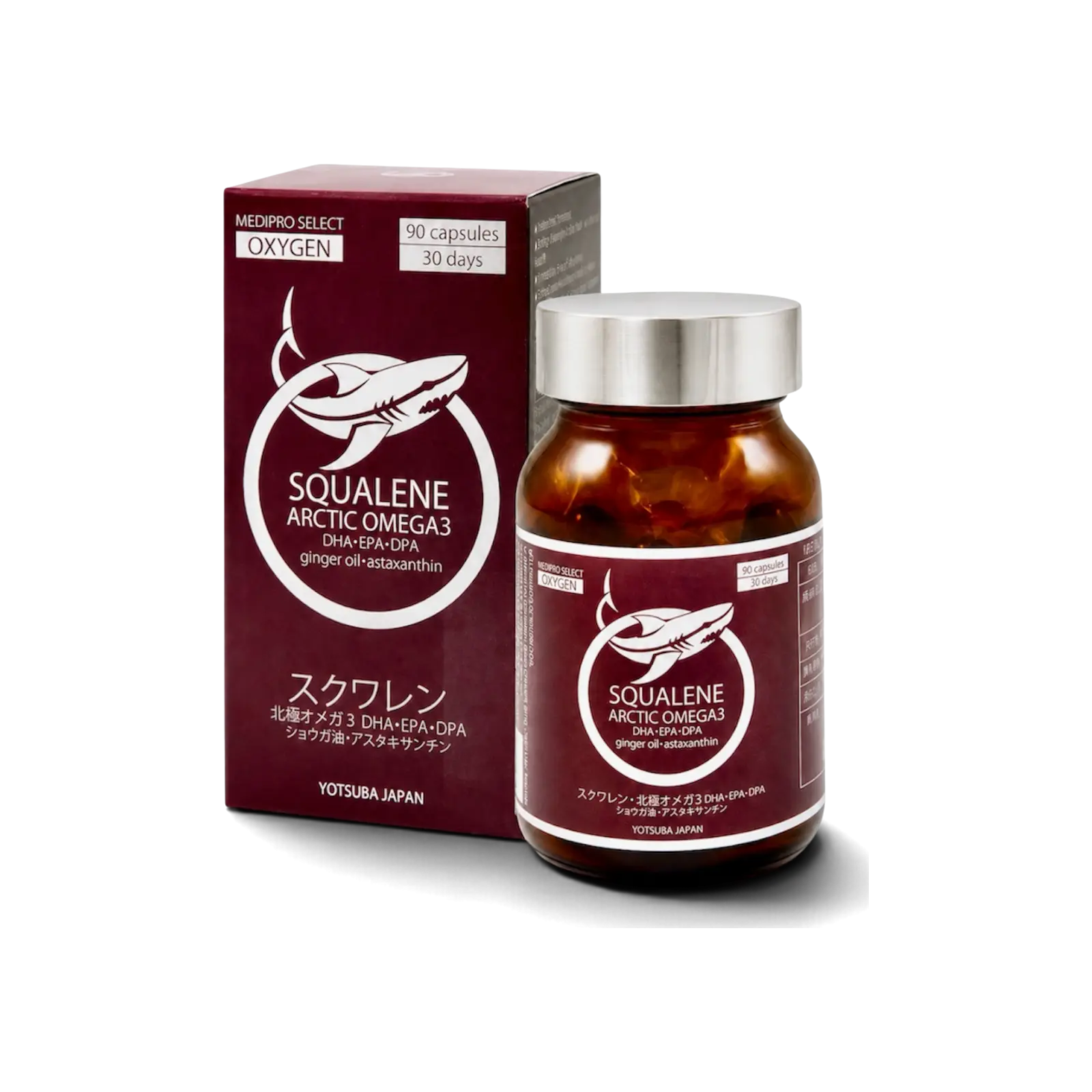
SQUALENE ARCTIC OMEGA3 contains 303 mg of harp seal oil per three-capsule daily serving. Its declared marine fatty-acid profile includes 22 mg DHA, 16 mg EPA and 10 mg DPA. These fatty acids are already part of the oil system and should not be added to the oil weights again.

The seal oil is a separate ingredient from the squalene-containing shark liver oil in the same formula. Here, its relevance is the EPA, DHA and DPA profile. This gives the product a different composition from OMEGA-3 DHA EPA; it is not an equivalent EPA/DHA serving simply because both contain marine oils.

A closer look inside the drop

Marine oil is an umbrella description, not a single universal ingredient. Reading the named fatty acids and their quantities reveals more than capsule size or oil weight alone. DPA adds another layer to that understanding, alongside the much more familiar EPA and DHA.

Food supplements do not replace a varied diet or prescribed treatment. People taking anticoagulant or antiplatelet medicines should discuss the complete formula with their healthcare professional, particularly when it also contains nattokinase.

THE YOTSUBA COLLECTION

Two different compositions illustrate the variety within marine-lipid formulas.

END OF ARTICLE
28RESEARCH / GLYCATIONSOURCE EDITION · 1 APRIL 2026How glycation changes our collagen.What happens to the protein framework already in our tissues — and why Japanese researchers are looking beyond sugar alone.Read articleClose article

Editorial starting point: the accessible online feature in The Health Industry News, 1 April 2026, issue 1833. Expanded with primary research and Yotsuba product information. Published 31 October 2026.

RESEARCH / GLYCATIONSOURCE EDITION · 1 APRIL 2026 · 5 MIN READ

How glycation changes our collagen.

What happens to the protein framework already in our tissues — and why Japanese researchers are looking beyond sugar alone.

Pearl-toned fibrous ribbons and champagne-gold connections in an abstract collagen-inspired pattern
AI-generated conceptual artwork inspired by collagen fibres and cross-linking. It is an editorial pattern, not a microscopy image, an exact molecular structure or a product result.

When we discuss skin firmness, we often ask how much collagen we obtain. Another question deserves attention: what happens to the fibres that are already there?

Glycation connects the chemistry of sugars with the properties of protein structures. Japanese research considers this subject more broadly than the familiar pairing of sugar and ageing: attention also turns to intermediate compounds involved in modifying proteins.

What happens during glycation

During glycation, sugars and their reactive derivatives interact with proteins without the involvement of enzymes. A sequence of chemical transformations can produce advanced glycation end products, or AGEs. These compounds have different properties; some create additional cross-links within or between proteins.

Imagine a protein structure developing extra bridges. They change how its parts interact. For collagen, this can affect mechanical properties and make the protein less accessible to enzymes involved in its breakdown. The process develops over time and depends on the conditions around the protein and how long it remains in the tissue.

COLLAGEN / A CONCEPTUAL SEQUENCE

How additional bridges can form

  1. Protein structure

    Collagen is part of the existing tissue framework.

  2. Chemical modification

    Sugars and reactive derivatives can modify proteins.

  3. Additional cross-links

    Some AGEs connect sites within or between proteins.

A simplified principle, not an exact molecular structure, a rate of ageing or a product result.

Why collagen attracts particular interest

In a study of human skin samples, researchers found that glucosepane, an important AGE cross-link, accumulated with age. Levels were higher in diabetes. This was an observation in human tissue, rather than a laboratory model alone.

Glycation is one contributor to changes in tissues. It does not explain every wrinkle, but it helps us understand why the condition of the protein framework deserves attention alongside the amount of protein present.

A Japanese perspective on glycative stress

The 1 April 2026 feature in the Japanese trade newspaper The Health Industry News, linked to print issue 1833, highlighted interest in compounds that can bind reactive aldehydes. This broadens the discussion beyond a single blood-glucose reading.

The industry overview noted that reactive compounds can arise through different metabolic processes involving sugars, lipids and alcohol. Methylglyoxal is one compound of interest in this field. Such substances can participate in the chemical modification of proteins.

Intermediate steps matter too

The research question becomes broader: can particular steps be influenced before end products accumulate? Binding reactive aldehydes is one approach discussed in the Japanese industry press. Interest in this mechanism does not, by itself, establish the effectiveness of an ingredient or a finished supplement.

Glycation and oxidation are connected, but different

Oxidative stress concerns an excess of reactive species relative to the capacity of protective systems. Glycation describes chemical modifications involving sugars and their derivatives. The processes can intersect, but calling a substance an antioxidant does not establish anti-glycation activity. Each question requires appropriate measurements.

What a study actually measures

Scientific studies can examine different things: AGE formation in a mixture of protein and glucose, a particular blood marker, or the properties of a tissue. These results are related, but not interchangeable. A lower laboratory signal does not mean that cross-links have disappeared from skin; glycated haemoglobin does not measure the condition of collagen.

This gives readers a useful guide: look beyond the term anti-glycation to ask which material was studied, what was measured and whether people took part. That is how an interesting mechanism can be distinguished from an established outcome.

Glycation brings greater depth to the discussion of beauty, directing attention towards tissue condition and metabolism. Plant compounds with a defined chemical identity and measurable activity are among the materials being investigated.

From a scientific question to a botanical ingredient

One botanical investigated in the context of glycation is Kaempferia parviflora extract. This member of the ginger family has a dark-purple rhizome and is known as black ginger or kuro-ukon. Its characteristic polymethoxyflavonoids have become the subject of laboratory research.

In a 2014 study by Nakata and colleagues, the extract and isolated compounds inhibited the formation of fluorescent AGEs in an albumin–glucose model. Their effects on the enzyme SIRT1 were examined separately. In 2021, Communications Biology published a more detailed study of direct SIRT1 activation by one compound from the plant.

These are two lines of investigation: glycation and cellular regulation through SIRT1. They provide scientific context for interest in the extract, without demonstrating that it breaks existing AGE cross-links in human collagen.

The ingredient in our formula

BLOOD SUGAR SUPPORT SIRTMAX® by Yotsuba Japan provides 100 mg of SIRTMAX® extract per three-capsule daily serving. The same daily amount of extract was examined in small human studies: seven weeks in a 2015 study involving 27 participants, and eight weeks in a 2019 study involving 28 participants. Researchers assessed measures of glucose metabolism.

These studies concern the ingredient and the preparations tested, rather than the complete Yotsuba Japan five-botanical formula. A matching extract amount helps readers understand the composition; it does not establish equivalent effectiveness.

The formula also includes bitter melon, Salacia and Banaba extracts, together with organic mulberry leaf powder. Its strengths are a specified, researched extract and a clearly quantified composition. The effectiveness of the combination needs to be assessed separately from studies of individual ingredients.

A closer look at the collagen already there

The condition of collagen belongs to a wider story about metabolism and tissue quality. Glycation helps us see that connection, while research on plant compounds explores which steps in the process may merit further investigation.

A food supplement does not replace medical treatment. People taking glucose-lowering medicines or receiving treatment for a chronic condition should discuss use with their healthcare professional.

THE YOTSUBA COLLECTION

A five-botanical formula providing 100 mg of SIRTMAX® extract per daily serving, with bitter melon, Salacia, organic mulberry leaf and Banaba. Explore the complete composition.

END OF ARTICLE
29INGREDIENT SCIENCE / RICE CERAMIDESSOURCE EDITION · 1 APRIL 2026How skin holds on to moisture: Japan’s rice ceramide story.A familiar grain becomes the starting point for research into one of our body’s most delicate protective mechanisms.Read articleClose article
INGREDIENT SCIENCE / RICE CERAMIDESSOURCE EDITION · 1 APRIL 2026 · 3 MIN READ

How skin holds on to moisture: Japan’s rice ceramide story.

A familiar grain becomes the starting point for research into one of our body’s most delicate protective mechanisms.

Macro still life of ivory rice grains, golden bran-coated grains and an amber droplet with a delicate molecular-inspired motif
Rice-derived lipids, interpreted through a botanical-science motif. AI-generated editorial image; the molecular-inspired network is conceptual.

The cream has already absorbed, yet the feeling of tightness returns. Discussions of dry skin increasingly raise a question: how well does its surface hold on to moisture?

The answer is connected to the skin barrier, a delicate structure that helps the skin maintain its internal environment and interact with the world around us.

A thin layer with a substantial task

The skin’s outermost layer is called the stratum corneum. It is often compared to brickwork: cells form the bricks, while the lipids between them help create a protective barrier.

Ceramides are an important part of this lipid structure. Together with other components, they help limit water loss through the skin’s surface.

Hydration studies therefore assess different measures. One reflects the water content of the skin. Another records how much water escapes through its surface. These measurements reveal different aspects of skin-barrier function.

What researchers found in rice

Rice has long been part of everyday culture in Japan. Its lipid fraction also interests researchers working with food ingredients.

Rice raw materials can be used to obtain ingredients containing glucosylceramides: plant compounds studied in relation to skin hydration and barrier function.

The extraction process and the composition of each preparation matter. They define the material that enters a study.

An April 2026 review in The Health Industry News identified rice and rice germ among the prominent sources of glucosylceramides used in Japanese functional foods. Moisture retention has become one of the themes driving this category.

How the result is measured

A study published in 2021 enrolled 44 Japanese women with signs of insufficient skin hydration. For 12 weeks, they received a specified rice extract or placebo. Allocation was random, and neither the participants nor the researchers knew who had been assigned the active preparation.

One of the main outcomes was water loss through the skin of the cheeks. The authors reported a reduction after four and twelve weeks of taking the studied extract.

This was a small study of a specific preparation containing glucosylceramides and a companion plant component. Its value lies in the measurable outcome and clearly described study design. The findings belong to the material actually studied.

A place in YOTSUBA JAPAN formulas

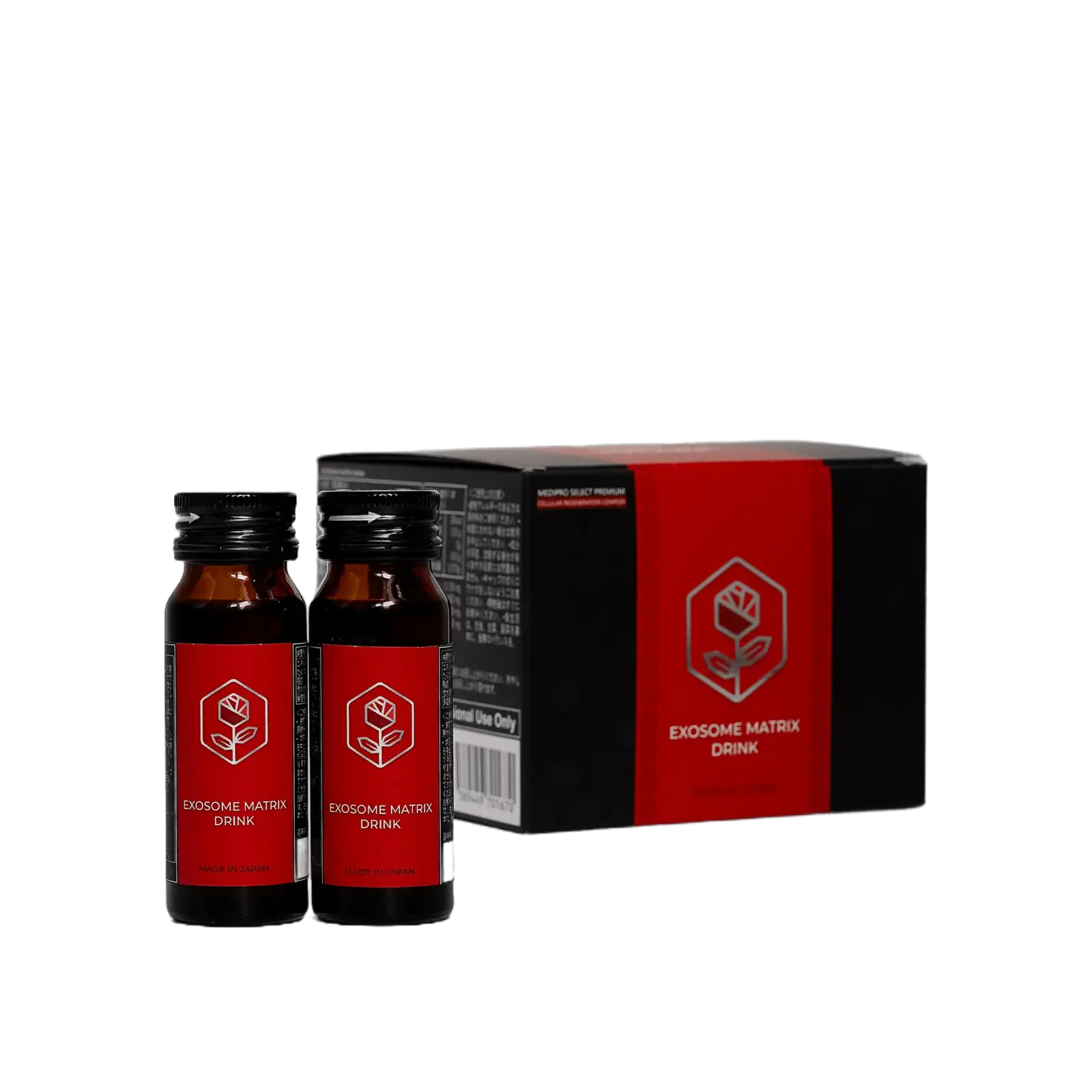
Rice extract containing ceramides is included in two products in our collection: COLLAGEN TRIPEPTIDE and EXOSOME MATRIX DRINK.

In COLLAGEN TRIPEPTIDE, it is combined with collagen peptides, elastin, proteoglycan and hyaluronic acid. In EXOSOME MATRIX DRINK, it accompanies fermented collagen peptides, hyaluronic acid and other components of the comprehensive formula.

The rice ceramide story explores a theme shared by both products: attention to moisture retention and the skin barrier. Findings from studies of individual extracts should be distinguished from trials of the finished formulas.

Behind the familiar word hydration lies the complex work of the skin. Ceramide research helps us examine it more closely through the structure of the protective layer, the composition of an ingredient and changes that can be measured.

THE YOTSUBA COLLECTION

Rice extract containing ceramides is included in both of these Yotsuba formulas.

RESEARCH CONTEXT

Sources: The Health Industry News, April 2026; Functional Foods in Health and Disease, 2021; International Journal of Molecular Sciences, volume 24, issue 1.

END OF ARTICLE
30SKIN SCIENCE / HA AND NAGSOURCE EDITION · 7 JANUARY 2026Hydration from within.Hyaluronic acid and NAG: a familiar moisture-holding chain, a lesser-known building block, and the skin science that connects them.Read articleClose article

Inspired by the hyaluronic-acid feature in The Health Industry News, 7 January 2026, issue 1827. Expanded with primary research on NAG and skin hydration. Published 3 November 2026.

SKIN SCIENCE / HA AND NAGSOURCE EDITION · 7 JANUARY 2026 · 4 MIN READ

Hydration from within.

Hyaluronic acid and NAG: a familiar moisture-holding chain, a lesser-known building block, and the skin science that connects them.

Close-up of natural skin texture with a glass pipette and a small serum bead
AI-generated editorial beauty photograph illustrating skincare and hydration.

That tight feeling after cleansing is easy to recognise. We reach for a moisturiser and look for hyaluronic acid on the label. Its name has become almost synonymous with hydration. Yet this familiar molecule has a lesser-known relative with a much longer name: N-acetylglucosamine, or NAG. Its story takes us a little deeper into how skin holds moisture.

Hyaluronic acid is naturally present in our skin, helping to create a water-rich environment around cells. It is often compared with a molecular sponge: its long chains interact with water and help retain it in tissues. This is one reason it has become such a familiar part of the conversation about skin.

A long chain and a small building block

Imagine the chain as a long, flexible ribbon made from two alternating types of link. One is NAG. The other is glucuronic acid. Together, they create the repeating pattern that makes up hyaluronic acid. Behind the complicated name lies a surprisingly clear structure.

NAG is a small sugar molecule of a particular kind: an amino sugar. It is part of larger biological structures. That makes it an interesting ingredient in its own right: one of the building blocks of a well-known moisture-holding molecule can also be studied separately.

THE STRUCTURE / HA AND NAG

A chain made from two alternating links.

Teal NAG units alternate with gold glucuronic-acid units in a hyaluronic-acid chain.
Conceptual model, not to scale. GlcA means glucuronic acid. Source: Maloney et al., Nature, 2022.

Inside the cellular workshop

Cells can make hyaluronic acid themselves. They need starting materials and specialised enzymes. After several transformations, NAG can enter this production pathway. In experiments with cultured human skin cells, researchers observed increased hyaluronic-acid production when NAG was added. This helps explain the scientific interest, while a result in a cell culture remains different from an effect after taking an ingredient by mouth.

Hyaluronic acid and NAG therefore play different roles in the same story. Hyaluronic acid is the long, water-holding chain. NAG is one of the components cells can use to build it.

THE CELLULAR PATHWAY

Preparation first, then assembly.

NAG is prepared inside the cell as UDP-GlcNAc. HAS uses it with UDP-GlcA to build an alternating HA chain.
Simplified cellular pathway. This does not determine how much orally consumed NAG becomes HA in skin. Sources: Campbell et al., 2021; Maloney et al., 2022.

What size can tell us

The difference in size is real. A single NAG molecule is much smaller than many hyaluronic-acid chains. Absorption, however, involves more than size: digestion, the forms that enter the blood and how the body uses them all matter. A claim that NAG is necessarily absorbed several times better than every form of hyaluronic acid would need its own direct evidence.

What researchers measured in skin

NAG also has human skin research of its own. A Japanese study published in 2008 involved women concerned about dry skin. For eight weeks, one group drank a beverage containing 500 mg NAG each day. Researchers measured skin moisture with instruments and compared changes with a control group receiving a beverage without NAG. By the end of the study, the increase in cheek moisture was greater in the NAG group than in the placebo group.

The study was small, so its findings are best seen as a reason for further investigation. Even so, it adds a useful detail to the molecular story: interest in NAG includes measurements in people. Hydrating ingredients can be investigated by observing whether the water content of the skin’s outermost layer changes.

Oral hyaluronic acid has clinical studies too. In one Japanese controlled trial, researchers reported improvements in skin-moisture measures with particular HA preparations. These studies remind us why the precise ingredient form and study conditions matter. A familiar name on a label is only the beginning of a meaningful comparison.

Another side of a familiar ingredient

Seeing NAG in joint-focused formulas can leave its skin story in the background. The connection is understandable: hyaluronic acid is associated with different tissues, including the environment within joints. Interest in one application, however, does not exhaust an ingredient’s biology. Japanese ingredient literature also gives skin and hydration a place in the NAG story.

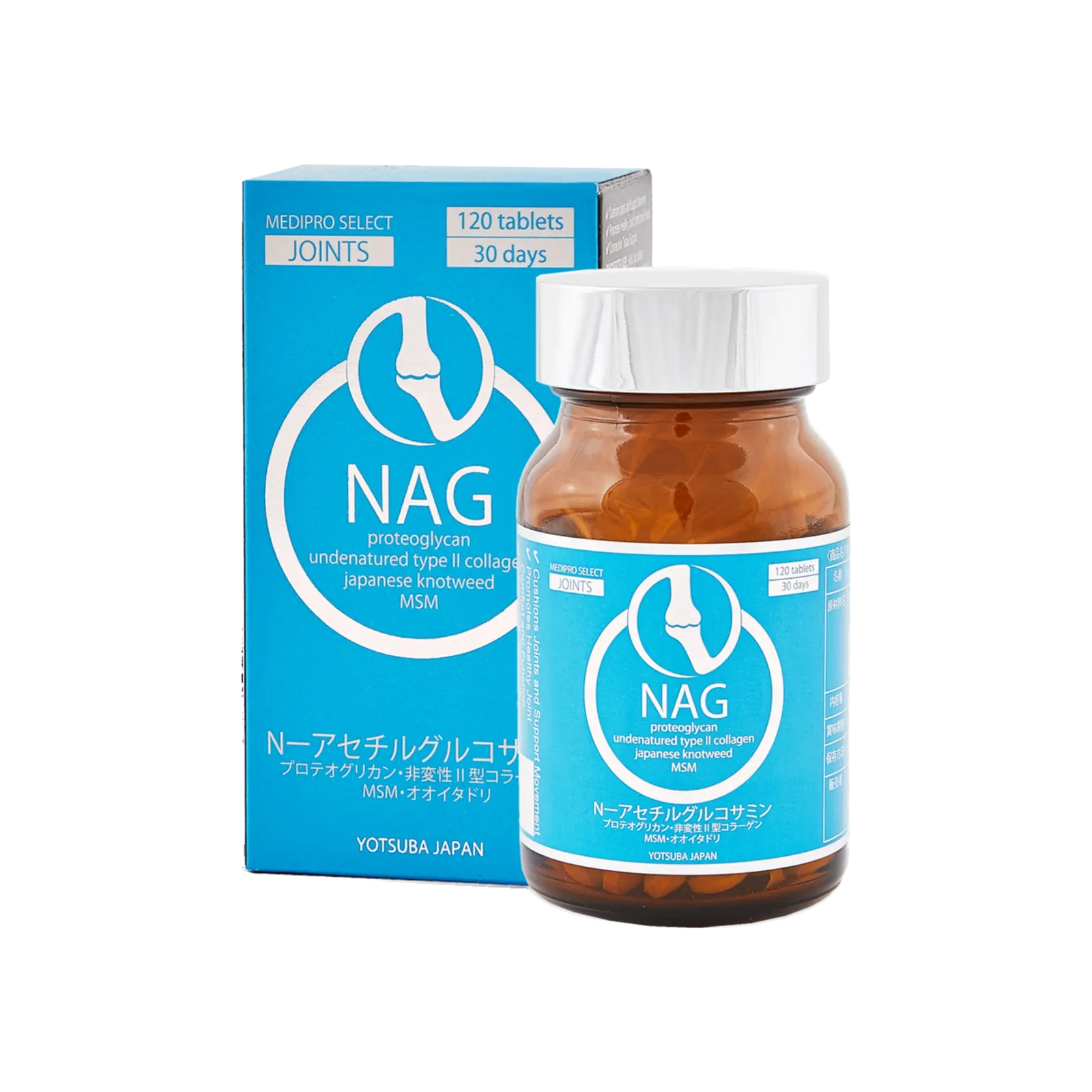
For Yotsuba Japan, this connection is particularly interesting. Our NAG formula provides 500 mg N-acetylglucosamine in the daily serving of four tablets. Ingredient research helps explain that choice and introduces another side of the product. The effects of the complete formula need separate evaluation; understanding its central ingredient can begin with the simple story of how skin holds water.

THE YOTSUBA COLLECTION

A four-tablet daily serving provides 500 mg N-acetylglucosamine, alongside a salmon-cartilage complex, Japanese knotweed and MSM. Explore the complete composition and ingredient research.

END OF ARTICLE