What feeds the microbiota?
A new look at dietary fibre: plant ingredients, microbial metabolites and the role of the complete daily diet.
A different question about the microbiota
When we talk about the microbiota, bacteria usually receive most of the attention: which are beneficial, how many there should be and how to support their diversity. Alongside those questions sits another: what food is available to these microorganisms?
In 2026, the Japanese industry press returned to dietary fibre. A June feature in The Health Industry News considered growing interest in fermentable fibres, while a May report explored Japanese research and development at the intersection of gut and skin health. This reflects a wider scientific interest in how food changes the work of the microbiota.
Fibre is a family of different substances
Dietary fibres resist digestion by our enzymes in the small intestine. Their paths then differ: some are actively metabolised by microorganisms, while others are poorly fermented and exert their properties mainly through other routes.
The familiar distinction between soluble and insoluble fibre is therefore not enough. Researchers also consider viscosity, water-holding properties and accessibility to microbial fermentation.
Solubility and fermentability are different characteristics. The word fibre on a label does not, on its own, explain how a particular ingredient will behave.
What the microbiota does with fibre
Some intestinal microorganisms have enzymes that break down plant components beyond the reach of our own digestive enzymes.
Fermentation produces, among other substances, short-chain fatty acids: acetate, propionate and butyrate. Butyrate is an important energy source for the cells lining the colon.
Microorganisms can interact during this process: the metabolic products of one group become starting materials for another. Scientific interest therefore extends along the whole chain: the food component, the microbial community and the metabolites it produces.
From a plant component to microbial metabolites
An accessible substrate
A fibre reaches the colon and is available to particular microorganisms.
Microbial metabolism
Microorganisms process it; some exchange intermediate metabolites.
Short-chain fatty acids
Products can include acetate, propionate and butyrate.
When can a fibre be called a prebiotic?
Dietary fibre and prebiotic are often used interchangeably. The scientific definition of a prebiotic is more specific: a substance selectively used by the body’s microorganisms that, through this process, confers a health benefit.
Both microbial utilisation and a demonstrated beneficial outcome matter. Plant origin or fermentability alone is not sufficient.
This helps us read studies more precisely: changes in bacterial abundance, changes in microbial activity and improvements in a particular health measure answer different questions.
More fibre does not always mean more diversity
In a Stanford University study published in Cell in 2021, 36 healthy adults were assigned to two dietary approaches: increased dietary fibre or increased fermented foods. The overall observation protocol lasted 17 weeks.
In the fibre group, the microbiome-encoded repertoire of enzymes involved in breaking down complex carbohydrates increased, while microbial community diversity remained stable on average. Participants’ immune responses also differed.
In the fermented-food group, researchers observed increased microbial diversity and reductions in several inflammatory markers.
The work showed why changes in the microbiota cannot be assessed solely by counting its different members. What the community does matters too. This study examined whole dietary patterns; it did not evaluate an individual capsule or green drink.
The gut and skin: research involving people
The January 2025 issue of the Journal of Clinical Biochemistry and Nutrition published a randomised, double-blind, placebo-controlled study of partially hydrolysed guar gum.
Seventy adults participated. One group received 5 g of this dietary fibre daily and the other a placebo for 12 weeks. Researchers assessed skin hydration, viscoelastic properties and transepidermal water loss, a measure related to the skin barrier.
The authors reported improvements in several measures. In particular, differences from placebo in water loss and viscoelastic characteristics were observed after six weeks.
This is a concrete example of clinical research into the gut–skin relationship. The findings concern a specified fibre, dose and study setting. On their own, they do not establish which microbial mechanism explains the skin changes.
What the clinical study actually tested
- 70 adults
Participants
Randomised, double-blind, placebo-controlled study.
- 5 g
Daily test amount
Partially hydrolysed guar gum; the comparison group received placebo.
- 12 weeks
Study duration
Skin hydration, water loss and viscoelastic characteristics were assessed.
Two fermentations worth distinguishing
Fermentation during ingredient production takes place before consumption: microorganisms transform the starting material.
Fermentation in the intestine takes place after consumption, when the person’s own microbiota metabolises substances accessible to it.
These processes can belong to the same ingredient story, but one does not guarantee the other. Understanding the finished material requires information about its composition after processing and studies of that particular preparation.
Before consumption. After consumption.
During production
Microorganisms transform a raw material before it becomes an ingredient.
In the intestine
The resident microbiota metabolises accessible substances after consumption.
How this connects with the Yotsuba collection
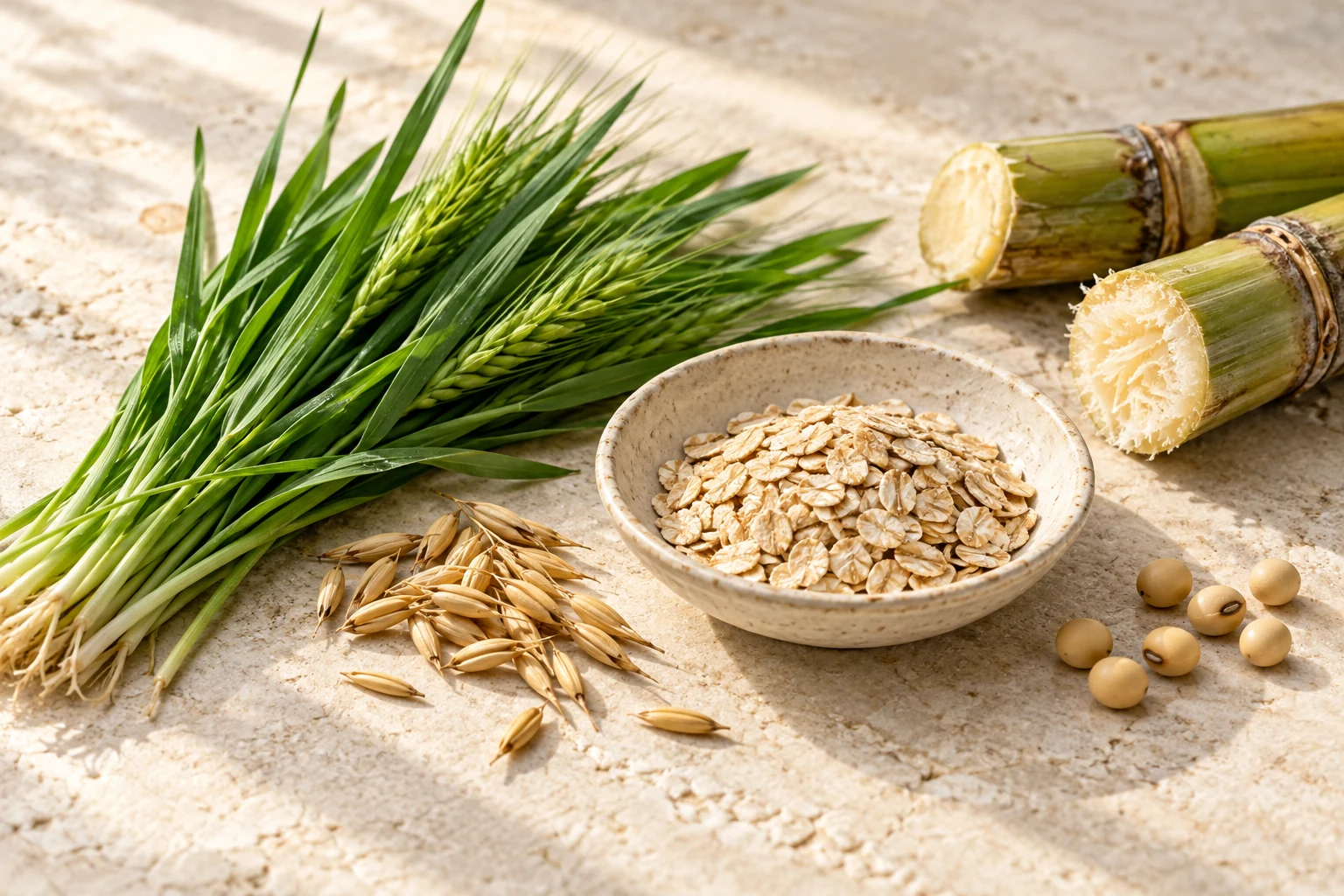
In OKINAWA TROPICAL AOJIRU, young barley leaves and other plant ingredients are combined with fermented bagasse, an ingredient from the fibrous portion of sugar cane. The current composition declares 30 mg of fermented bagasse per stick. This is the ingredient weight; it does not automatically equal the amount of pure dietary fibre.
GYMNEMA SYLVESTRE CALORIE BLOCK uses PROFIBER from sake lees, the material remaining after sake production. This is a complex ingredient combining dietary fibre and a digestion-resistant protein fraction. Resistant protein and dietary fibre differ chemically, even when some of their properties are discussed together.
For Yotsuba, an interest in these materials begins with their origin and continues through questions about composition, processing and serving amount. Studies of individual fibres help explain the scientific direction; evaluating a finished formulation requires its own evidence.
Dietary fibre in a beauty formulation
In COLLAGEN TRIPEPTIDE, collagen peptides are combined with resistant dextrin, a soluble dietary fibre.
Its structural characteristics make this dextrin resistant to digestive enzymes. On reaching the colon, it can be partially metabolised by the microbiota, producing short-chain fatty acids.
The composition brings together collagen peptides, beauty-focused components and dietary fibre. It is another reason to consider the complete formula: the properties of each ingredient and its amount in the daily serving matter.
The place of the everyday diet
Nutrition for the microbiota is built from the everyday diet. Vegetables, legumes, whole grains, fruit and nuts provide different plant components. Formulations containing defined ingredients can complement this picture, with a clear composition and a considered role in daily nutrition.
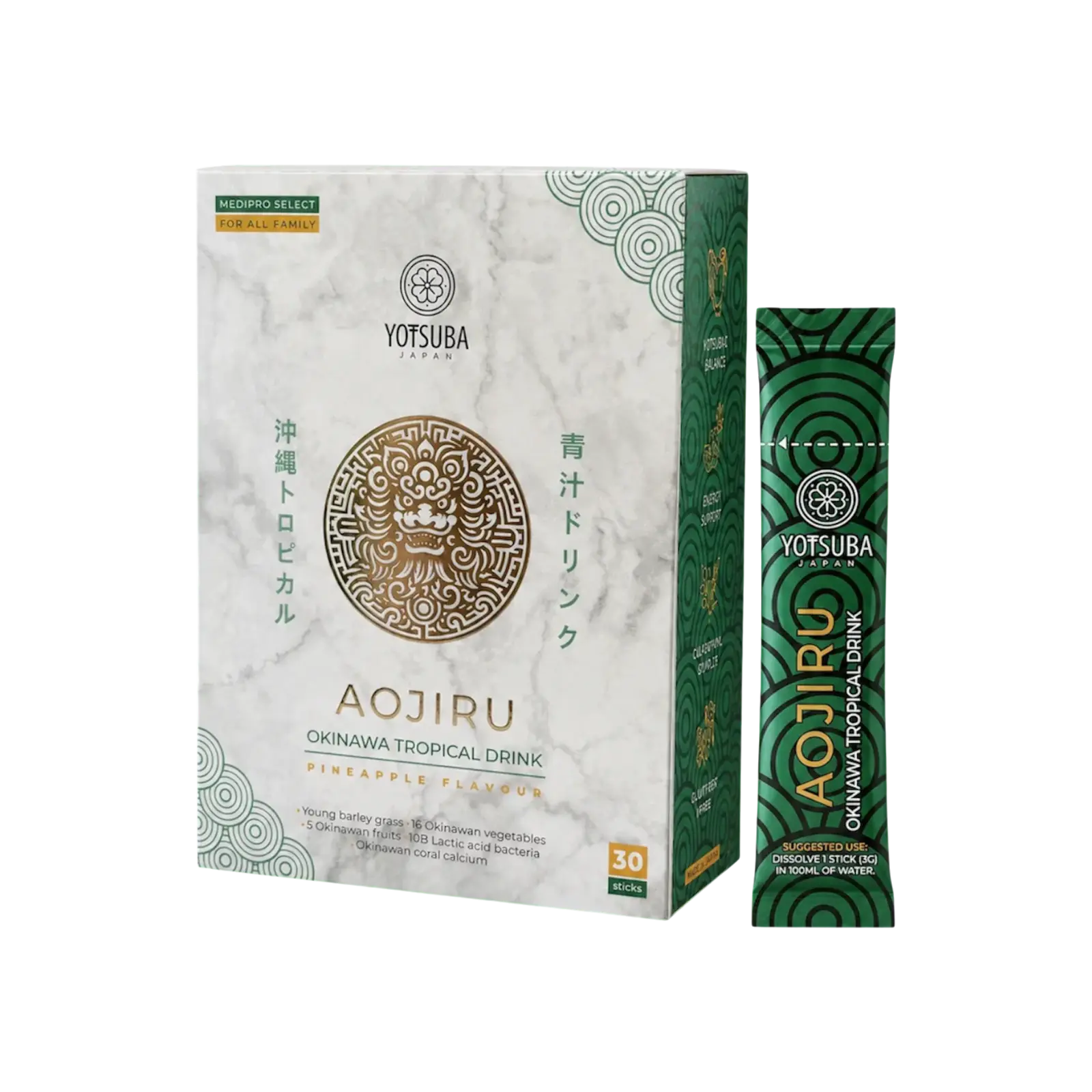
OKINAWA TROPICAL AOJIRU
Young barley grass, Okinawan botanicals and a fermented bagasse ingredient within a complete green-drink formula.
Explore the formula ◎
GYMNEMA SYLVESTRE CALORIE BLOCK
A multi-ingredient formula containing the sake-lees-derived PROFIBER ingredient.
Explore the formula ◎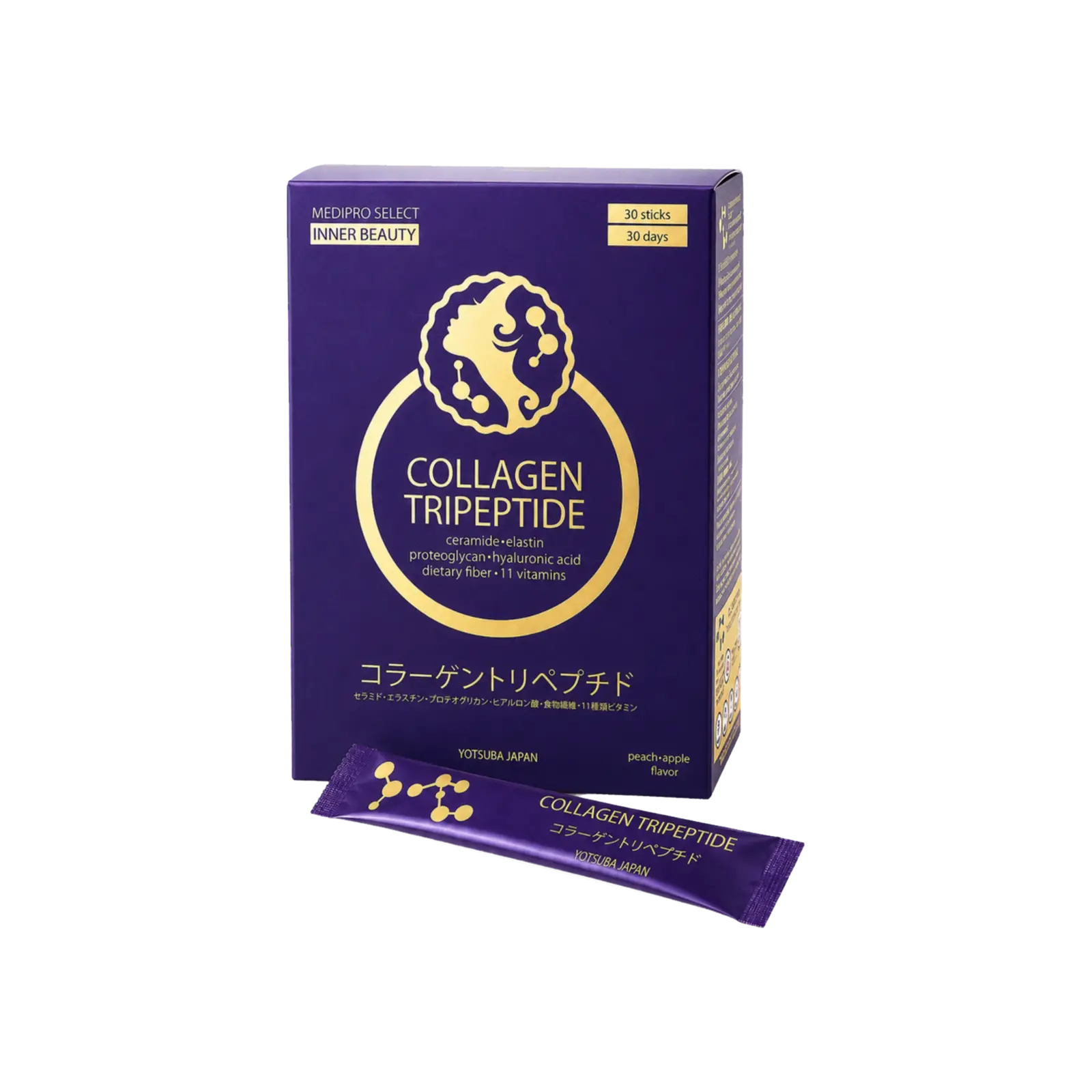
COLLAGEN TRIPEPTIDE
Collagen peptides, resistant dextrin and complementary beauty-focused ingredients. Explore the complete composition.
Explore the formula ◎