Beyond EPA and DHA: meet DPA, the other omega-3.
What a drop of marine oil really contains — and the less familiar third fatty acid joining the EPA and DHA story.

A small capsule, a more interesting question
A golden soft capsule looks simple. Inside, however, is a mixture of lipids with different structures, sources and biological roles. The useful question is not only how much oil it contains, but which fatty acids make up that oil.
Marine omega-3 has become familiar. Looking more closely reveals a story that extends beyond the two names most often printed on the label: EPA and DHA.
A Japanese perspective on marine oils
The 7 May 2026 DHA/EPA feature in the Japanese trade newspaper The Health Industry News describes a growing market and a widening choice of sources and formats. Fish and algae oils, higher concentrations and improved deodorisation are among the directions discussed.
This is industry context, rather than proof that every new format delivers a better health outcome. It does show why learning to read a formula has become increasingly useful.
Omega-3 is a family, not a single substance
Omega-3 describes a family of polyunsaturated fatty acids. Its best-known members include plant-derived alpha-linolenic acid, or ALA, and the long-chain marine fatty acids EPA and DHA. Conversion of ALA into EPA and then DHA is limited, so these sources are not fully interchangeable.
EPA and DHA contribute to cell-membrane lipids. DHA is particularly concentrated in the retina and nervous tissue; EPA is a precursor of lipid signalling molecules. Their roles overlap: the familiar shorthand of DHA only for the brain and EPA only for the heart leaves much of the biology out.
Oil weight is not the same as EPA plus DHA
A label may state the amount of fish oil and separately list its EPA and DHA content. These are different measurements. A capsule containing 1,000 mg of fish oil does not necessarily supply 1,000 mg of EPA and DHA.
Compare the quantities of the named fatty acids in the complete daily serving. Oil source, fatty-acid profile and additional ingredients then provide the rest of the composition story.
What clinical research can — and cannot — tell us
Omega-3 has been examined in large clinical trials, but outcomes depend on the preparation, dose, participants and question being tested. A biological role is not the same thing as a demonstrated treatment effect.
In VITAL, 25,871 participants were randomised and followed for a median of 5.3 years. The tested marine omega-3 preparation did not significantly lower the primary combined outcome of major cardiovascular events compared with placebo, although some secondary outcomes differed. This is why no single promise can describe every omega-3 supplement.
Marine omega-3 meets Japanese fermentation
Yotsuba Japan OMEGA-3 DHA EPA combines two refined fish oils with nattokinase powder and fermented black onion. Its three-capsule daily serving contains 867 mg of DHA-containing oil and 265.2 mg of EPA-containing oil. Both oils contribute both fatty acids.
Calculation from the supplied raw-material specifications gives approximately 427 mg DHA and 100 mg EPA per daily serving. These are calculated values, not a laboratory assay of the finished serving. Nattokinase powder is declared at 60 mg and fermented black onion at 30 mg; their inclusion describes the composition, rather than proving a combined clinical effect.
You know EPA and DHA. Now meet DPA.
There is a third name worth recognising: omega-3 docosapentaenoic acid, or DPA. It belongs to the same long-chain fatty-acid family, but is a separate molecule with a distinct metabolic profile.
Seal oil is one marine source supplying EPA, DHA and DPA together. DPA is not exclusive to seal oil: it can also occur in fish oil. In a human trial comparing seal and tuna oils, both preparations contained DPA, but in different amounts. The distinction is the measured fatty-acid profile, rather than a simple division between two animal sources.
Two familiar names. A third worth knowing.
- 20:5 n-3
EPA
20 carbon atoms and five double bonds.
- 22:6 n-3
DHA
22 carbon atoms and six double bonds.
- 22:5 n-3
DPA
22 carbon atoms and five double bonds.
Why researchers are interested in DPA
In a small, short-term crossover study involving ten women, purified DPA and EPA showed different patterns of incorporation into blood lipids. DPA supplementation also changed the proportions of other omega-3 fatty acids in certain lipid fractions. The authors suggested that DPA might act as a metabolic reservoir of long-chain omega-3s.
This is an interesting hypothesis about metabolism. It does not establish that DPA is universally more effective than EPA or DHA, or that a small amount in a commercial formula reproduces the study findings. Larger clinical outcome studies are a separate question.
The Arctic-oil component in our collection
SQUALENE ARCTIC OMEGA3 contains 303 mg of harp seal oil per three-capsule daily serving. Its declared marine fatty-acid profile includes 22 mg DHA, 16 mg EPA and 10 mg DPA. These fatty acids are already part of the oil system and should not be added to the oil weights again.
The seal oil is a separate ingredient from the squalene-containing shark liver oil in the same formula. Here, its relevance is the EPA, DHA and DPA profile. This gives the product a different composition from OMEGA-3 DHA EPA; it is not an equivalent EPA/DHA serving simply because both contain marine oils.
A closer look inside the drop
Marine oil is an umbrella description, not a single universal ingredient. Reading the named fatty acids and their quantities reveals more than capsule size or oil weight alone. DPA adds another layer to that understanding, alongside the much more familiar EPA and DHA.
Food supplements do not replace a varied diet or prescribed treatment. People taking anticoagulant or antiplatelet medicines should discuss the complete formula with their healthcare professional, particularly when it also contains nattokinase.
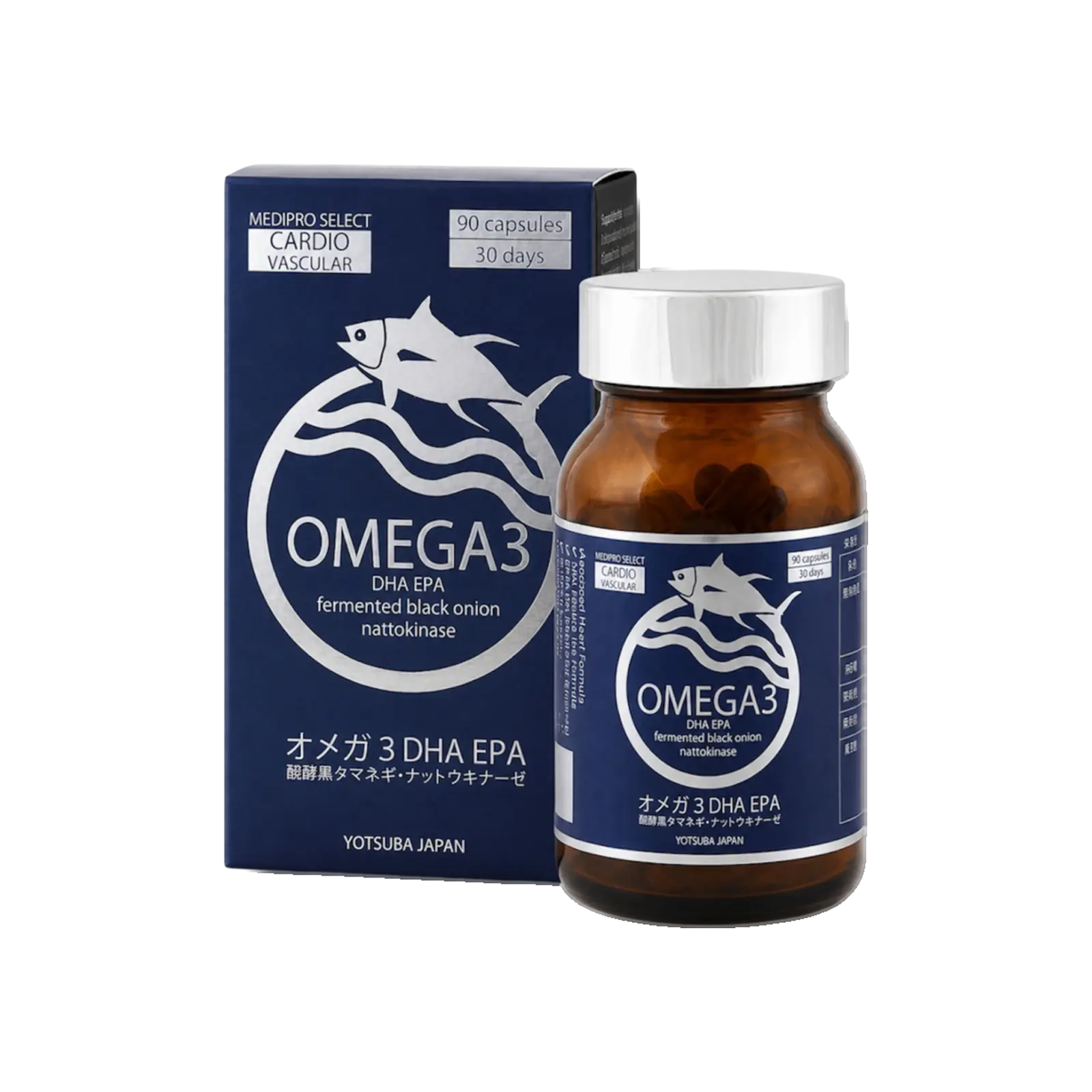
OMEGA-3 DHA EPA
A three-capsule daily formula combining DHA- and EPA-containing refined fish oils with nattokinase powder and fermented black onion. Explore the quantified composition and calculation notes.
Explore the formula ◎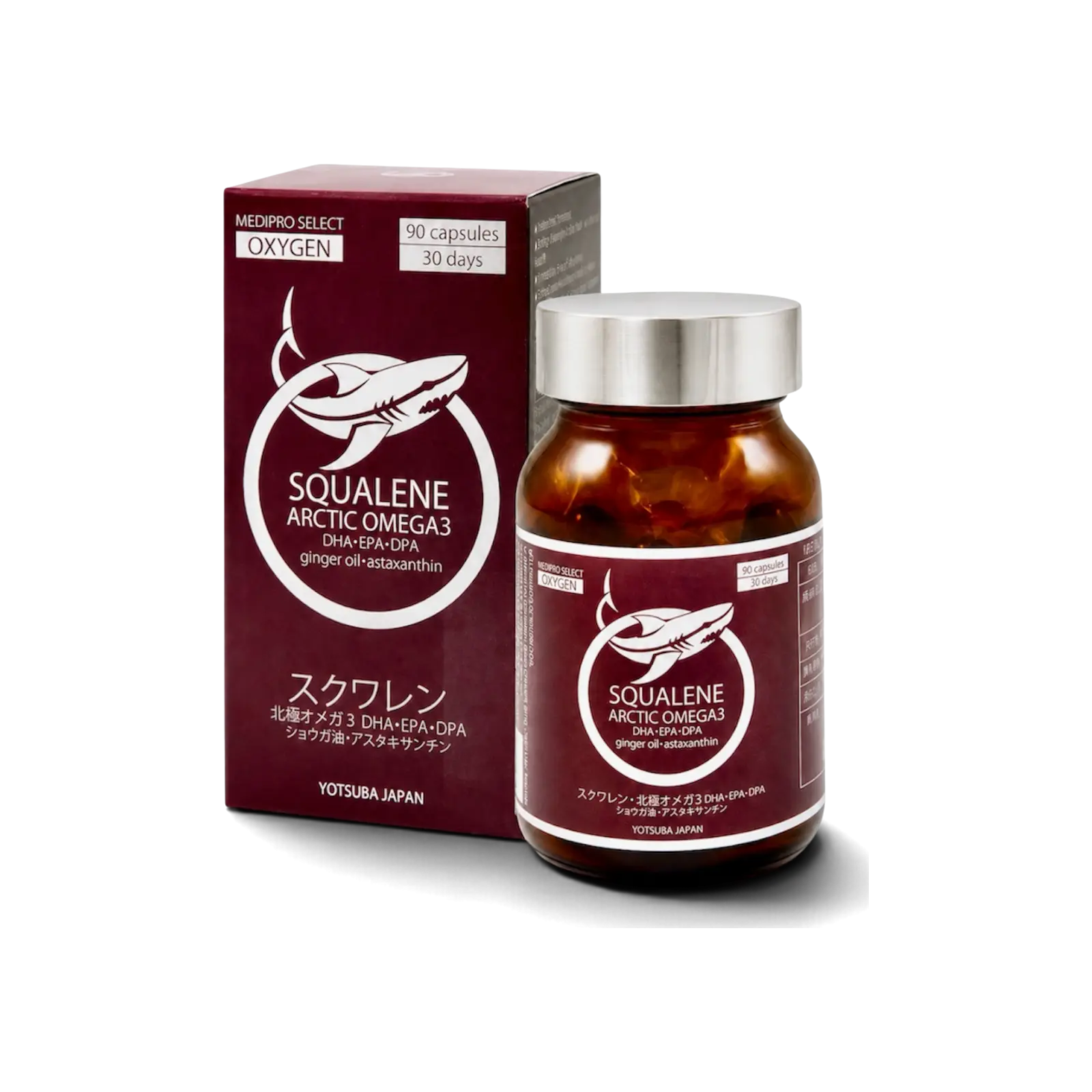
SQUALENE ARCTIC OMEGA3
A marine-lipid formula containing harp seal oil with declared DHA, EPA and DPA, alongside squalene-containing shark liver oil, ginger oil and Haematococcus pigment containing astaxanthin.
Explore the formula ◎