
All productsOMEGA‑3
Heart & Circulation · 30-day daily system
OMEGA‑3
DHA · EPA
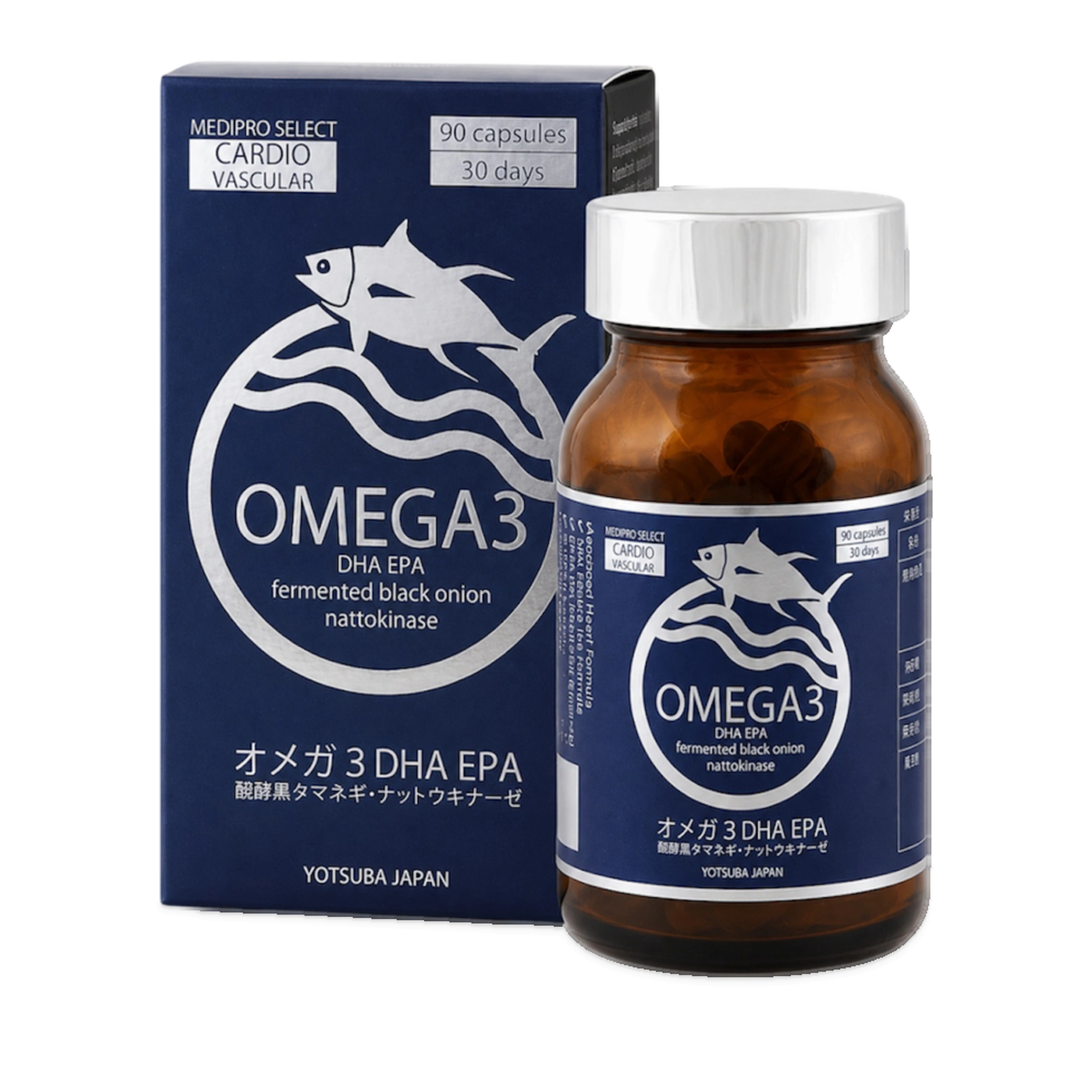
A Japanese daily soft-capsule formula combining DHA- and EPA-rich fish oil with nattokinase powder and fermented black onion.
90capsules3per dayMade in Japan
Why it was created
Marine omega‑3.
Japanese fermentation.
DHA and EPA form the marine foundation of the formula, presented in an easy three-capsule daily system.
Nattokinase powder and fermented black onion add a culturally distinctive fermentation layer to a modern cardiovascular wellness concept.
Cell biology · membrane fatty acids
Marine fatty acids.
Membrane context.
Bent fatty-acid chains introduce the structural role of omega-3 lipids within cell membranes.
Explore ingredient evidenceYOTSUBA JAPAN / FORMULA STUDY
01/ 03
Marine ingredients
The marine-oil layer supplies the formula’s omega-3 fatty-acid identity.
General biological context, not a clinical result for this supplement. Simplified and not to scale.
Formula architecture
Marine lipids.
A fermented Japanese layer.
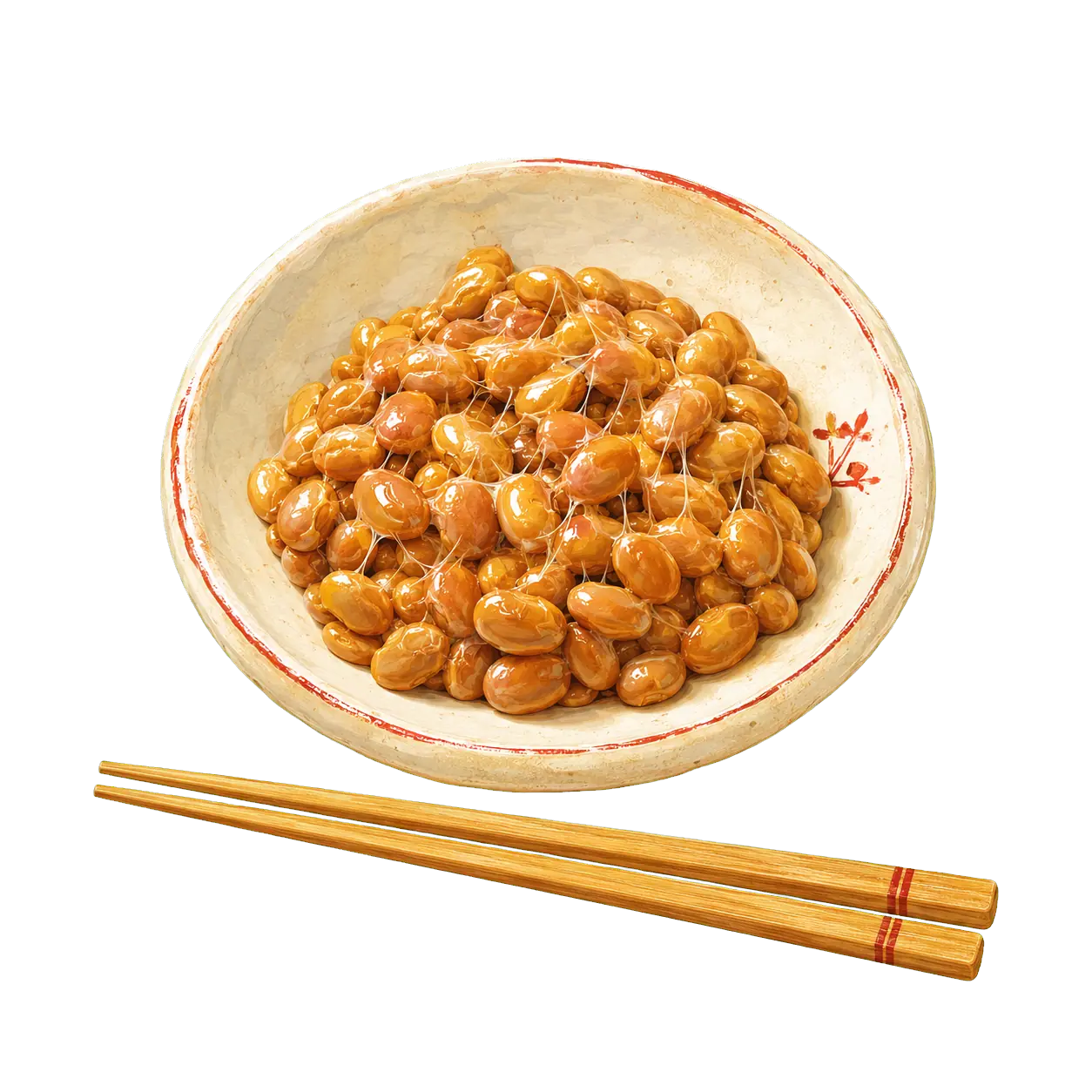
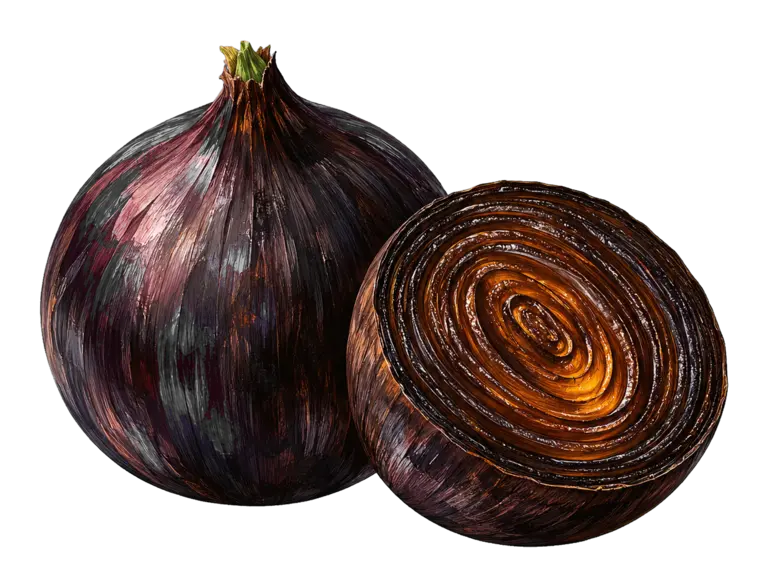
Inside the formula · verified daily amounts & raw-material specifications
Four formula ingredients.
Precisely quantified.
Exact amounts are stated per daily serving of three soft capsules, including both fermented ingredients.Select an ingredient to explore its source or food comparison
DHA-55MK · EPA + DHA in perspective
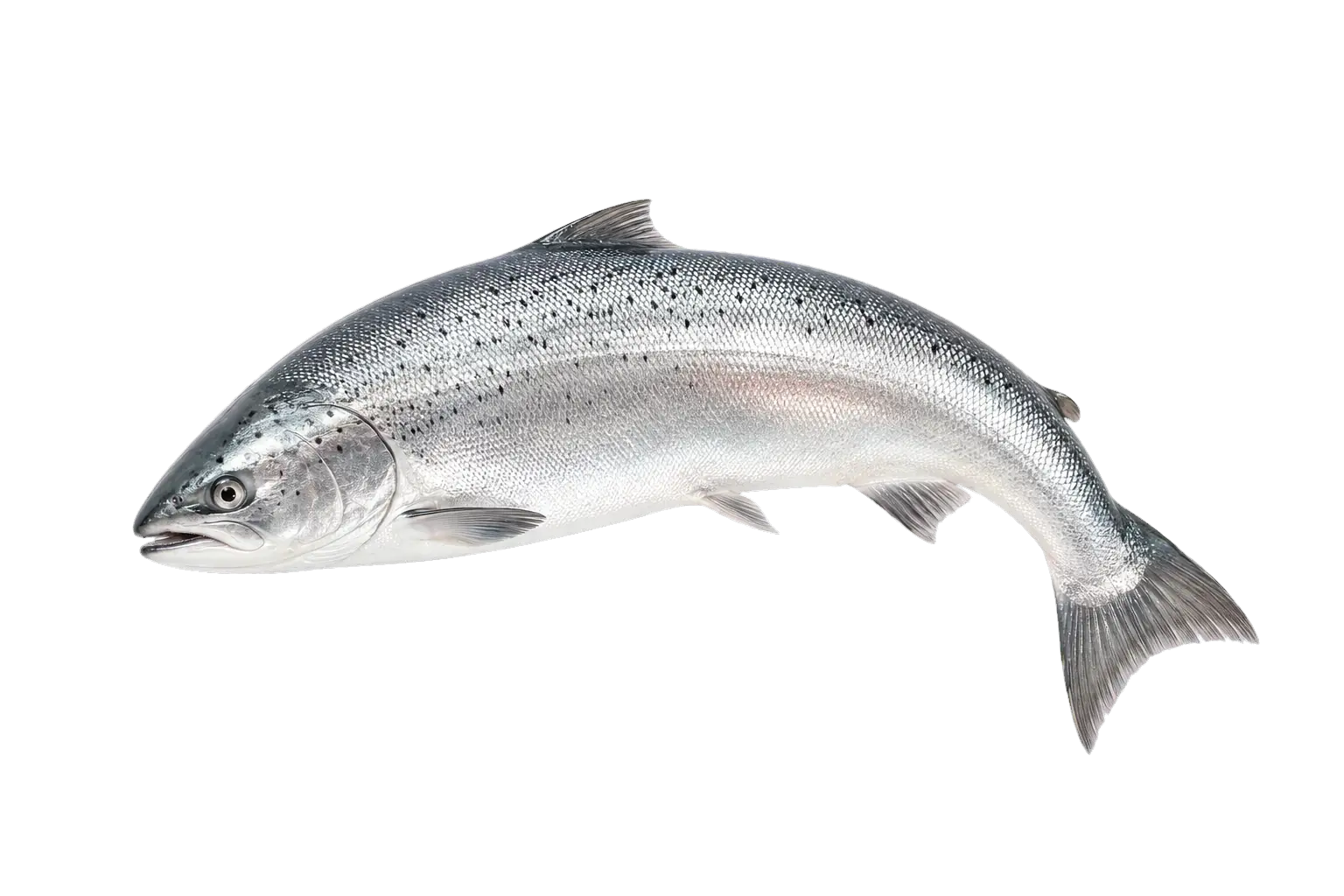
≈ 20.3g
of cooked farmed Atlantic salmon, matching combined EPA + DHA
436.1 mg calculated EPA + DHA from 867 mg DHA-55MK. The fatty-acid ratios differ.
- DHA · calculated
- 399.7 mg
- EPA · calculated
- 36.4 mg
Calculation & source
DHA-55MK is specified at ≥46.1 g DHA and ≥4.2 g EPA per 100 g of raw material. 867 mg × 0.461 = 399.7 mg DHA; 867 mg × 0.042 = 36.4 mg EPA. Combined: 436.1 mg. NIH ODS Table 2 lists cooked farmed Atlantic salmon at 1.24 g DHA + 0.59 g EPA per 3 oz (about 85.05 g). 436.1 ÷ 1,830 × 85.05 ≈ 20.3 g of this reference food. Both oils supply both fatty acids. Across the full three-capsule serving (867 mg DHA-55MK + 265.2 mg EPA-28MN), the calculation gives approximately 426.7 mg DHA + 100.1 mg EPA = 526.8 mg combined.
Calculated from the minimum mass fractions in the supplied raw-material specifications and the declared oil weights. This is not a laboratory assay or a measured minimum per finished serving. The salmon comparison matches combined EPA + DHA only, not each fatty acid separately, their ratio, other nutrients, absorption or health effects. Fish composition varies. The image is illustrative, not a measured portion or an eating recommendation.
Umios · DHA-55MK raw-material certificates · May 2026
Yotsuba Japan · Product specification · three-capsule serving
NIH ODS · Omega-3 food composition · Table 2Food quantities compare selected constituent content only. Form comparisons explain the relationship between a familiar source and a prepared ingredient; they do not imply a portion or extraction ratio. Foods and supplements differ in nutrition, absorption and health effects. Images are illustrative, not measured portions or eating recommendations.
Fish oil containing DHA: ingredient perspective open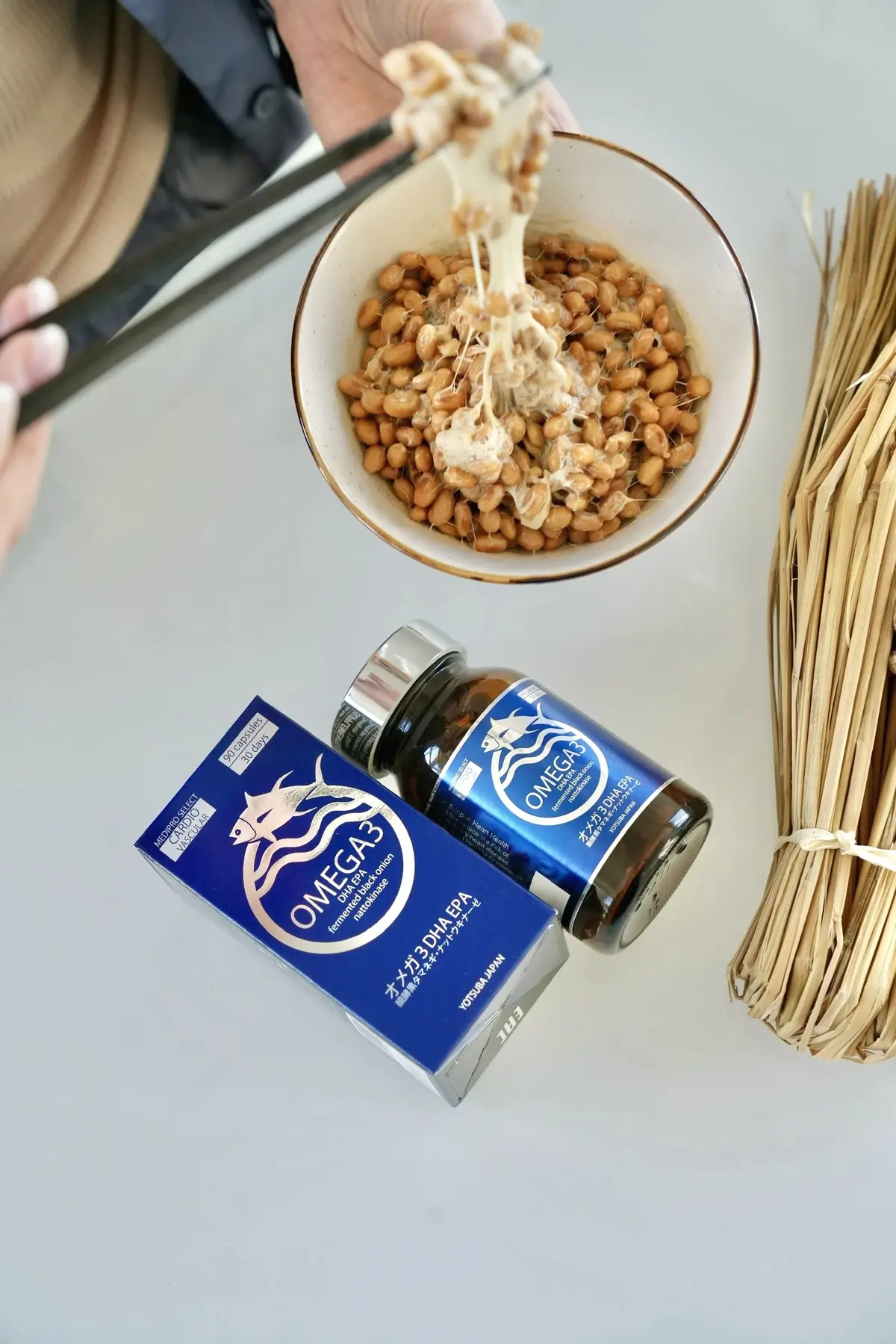
The Japanese ingredient story
From natto culture
to a modern daily capsule.
The traditional textures of natto bring the fermentation story to life, while the measured soft-capsule format makes the complete formula simple to incorporate into a daily routine.
Three soft capsules dailyMarine and fermented ingredientsThirty-day presentation
Ingredient evidence library
Evidence, with the
right boundaries.
Important distinctionThe references below concern EPA/DHA, other nattokinase preparations, black onion or isolated cycloalliin. They are not clinical trials of the complete Yotsuba Japan OMEGA‑3 formula and do not establish a guaranteed result.
EPA + DHAAuthorised EU claim basis
Normal heart function
EFSA concluded that EPA and DHA contribute to normal heart function, with about 250 mg per day required for the claimed effect. Market-specific wording and conditions of use still apply.
EPA + DHALarge randomised human trial
Why dose and population matter
In VITAL, 1 g/day of marine omega-3 containing 840 mg EPA+DHA did not significantly reduce the primary composite of major cardiovascular events in generally healthy adults, although a secondary myocardial-infarction signal was observed. This was a different preparation and dose from the Yotsuba formula.
NattokinaseSmall human crossover study
Short-term biomarker response
A small single-dose study in healthy men measured short-term changes in coagulation and fibrinolysis markers after another nattokinase preparation. It was not a trial of this finished formula and did not establish a clinical cardiovascular outcome.
NattokinaseRandomised placebo-controlled trial
Long-term evidence remains mixed
A three-year study in adults at low cardiovascular risk found no significant effect of another nattokinase supplement on subclinical atherosclerosis progression, blood pressure or laboratory measures. The result helps define the limits of current evidence.
Black onionHuman metabolism study
Organosulfur compounds were traceable after intake
After an acute intake of black onion, researchers detected 31 organosulfur compounds and metabolites in urine. This supports human exposure to black-onion sulfur compounds, but it does not demonstrate a cardiovascular outcome or quantify this product’s 30 mg ingredient dose.
Black onionFood-chemistry study
Processing changes bioaccessibility
An in-vitro digestion study found organosulfur compounds and polyphenols were more bioaccessible in processed black onion than in fresh onion. This is compositional evidence, not a clinical trial of the finished formula.
Professional product data
Complete details,
clearly organised.
The quantitative formula is presented above. Here, professionals can review the complete Japanese ingredient declaration, allergens, format, nutrition, directions and handling information.Complete ingredients & allergens01
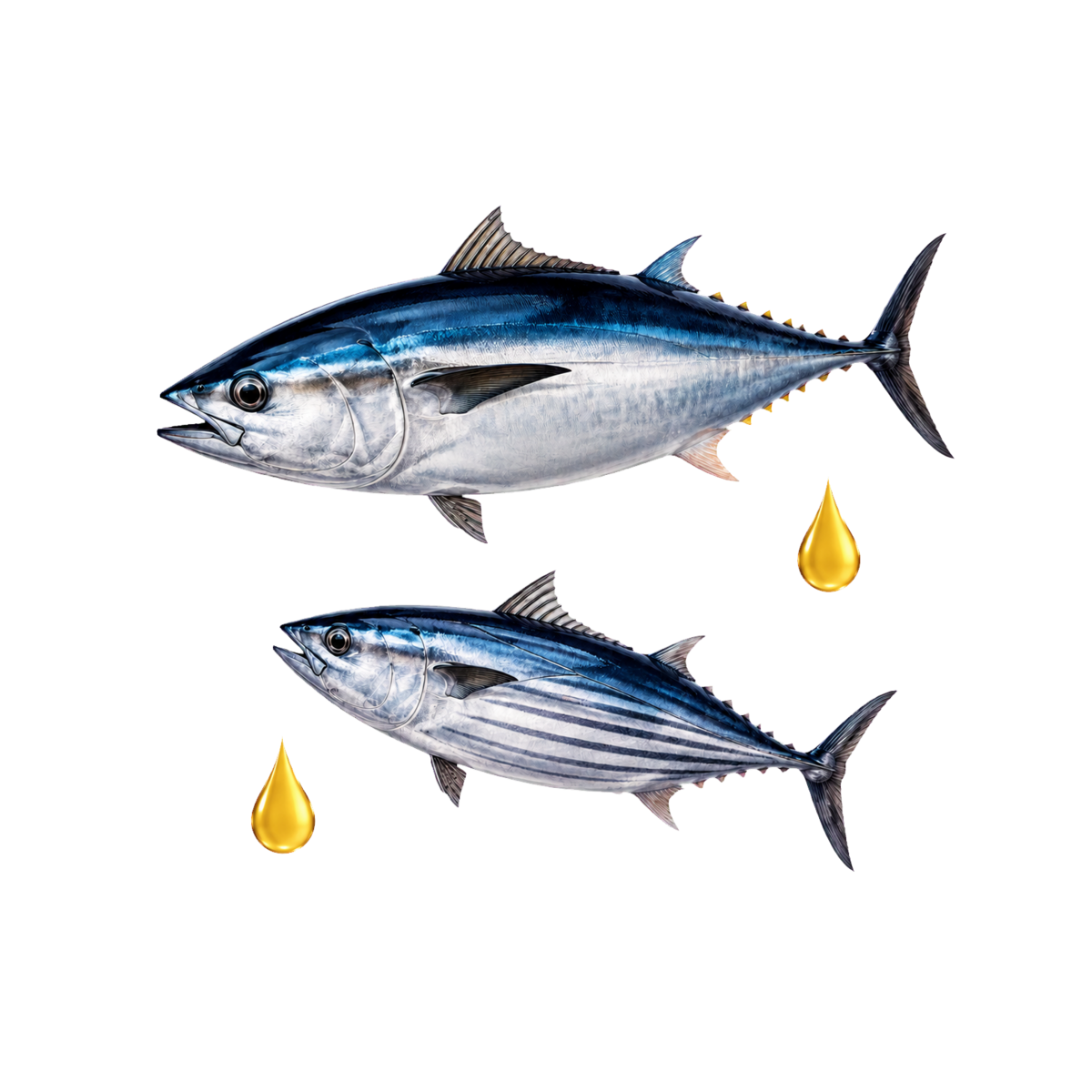
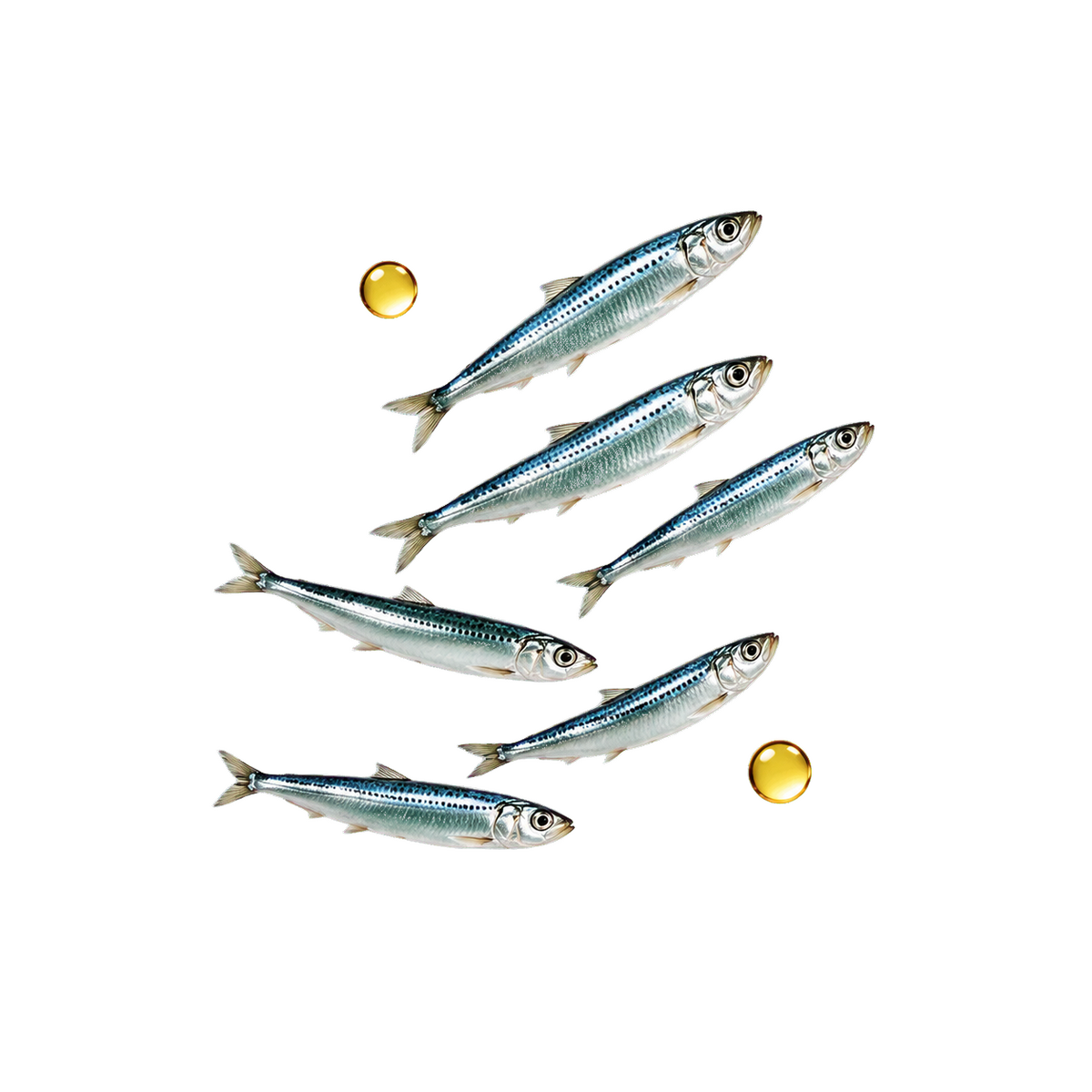
Current Japanese composition: DHA-containing refined fish oil (bonito/skipjack and tuna), EPA-containing refined fish oil (iwashi — anchovy or sardine — bonito/skipjack and tuna), nattokinase powder, fermented black onion powder, maltodextrin, rice oil, fish gelatin, glycerin, glycerol fatty acid esters and beeswax.
Allergen information: Contains soybean and fish gelatin. The approved market-specific label remains authoritative.
Format & daily serving02
Product form Soft capsulesPackage 90 capsulesDaily serving 3 capsulesSupply 30 daysNet content 59.4 gCapsule weight 660 mgCapsule fill 450 mg
Nutrition per daily serving03
Energy 13.05 kcalProtein 0.47 gFat 1.07 gCarbohydrate 0.39 gSalt equivalent 0.0006 g
Nutrition values are stated per three capsules (1.98 g).
Use, storage & precautions04
Take three capsules daily with water or warm water according to the current Japanese directions and approved destination-market label. Store away from high temperature, humidity and direct sunlight. People using medication, receiving medical care, preparing for surgery, pregnant or breastfeeding should consult an appropriate healthcare professional before use. Discontinue use if an unexpected reaction occurs and keep out of reach of infants. This is a food supplement, not a medicine.
日本MADE
IN JAPAN
IN JAPAN
Japanese quality & provenance
Marine ingredients,
completed in Japan.
The 90-capsule system is manufactured in Japan and combines fish oils from tuna, bonito, anchovy and sardine with a distinctive Japanese fermentation narrative.
Frequently asked
Clear answers,
without overclaiming.
01What is the daily serving?+
The current Japanese directions indicate three soft capsules per day, taken with water or warm water. Follow the approved destination-market label.
02How is the active formula quantified?+
Three capsules provide 867 mg DHA-55MK fish oil, 265.2 mg EPA-28MN fish oil, 60 mg nattokinase powder and 30 mg fermented black onion. Using the minimum mass fractions in the supplied raw-material specifications gives approximately 426.7 mg DHA + 100.1 mg EPA = 526.8 mg combined. These are calculated values, not a laboratory assay of the finished capsules. Fish-oil mass is not pure DHA or EPA mass.
03Is the circulation animation a literal physiological simulation?+
No. It is a conceptual brand illustration connecting marine lipids, natto fermentation and the product’s cardiovascular positioning. It does not depict clot dissolution or a guaranteed bodily effect.
04What allergens are declared?+
The current Japanese composition declares soybean and fish gelatin. The approved market-specific label remains authoritative.
05Who should seek professional advice before use?+
People using medication, receiving medical care, preparing for surgery, or with concerns about blood coagulation should consult an appropriate healthcare professional before use.
Food supplement · Not a medicine
Product information is educational and intended for professional portfolio review. It is not medical advice and is not intended to diagnose, treat, cure or prevent disease. Suitability, permitted claims and labelling must be assessed for each destination market.OMEGA‑3 · Heart & Circulation