Minerals behind the scenes.
From marine calcium to yeast-derived zinc: small quantities, distinct sources and a closer look at five Japanese formulas.
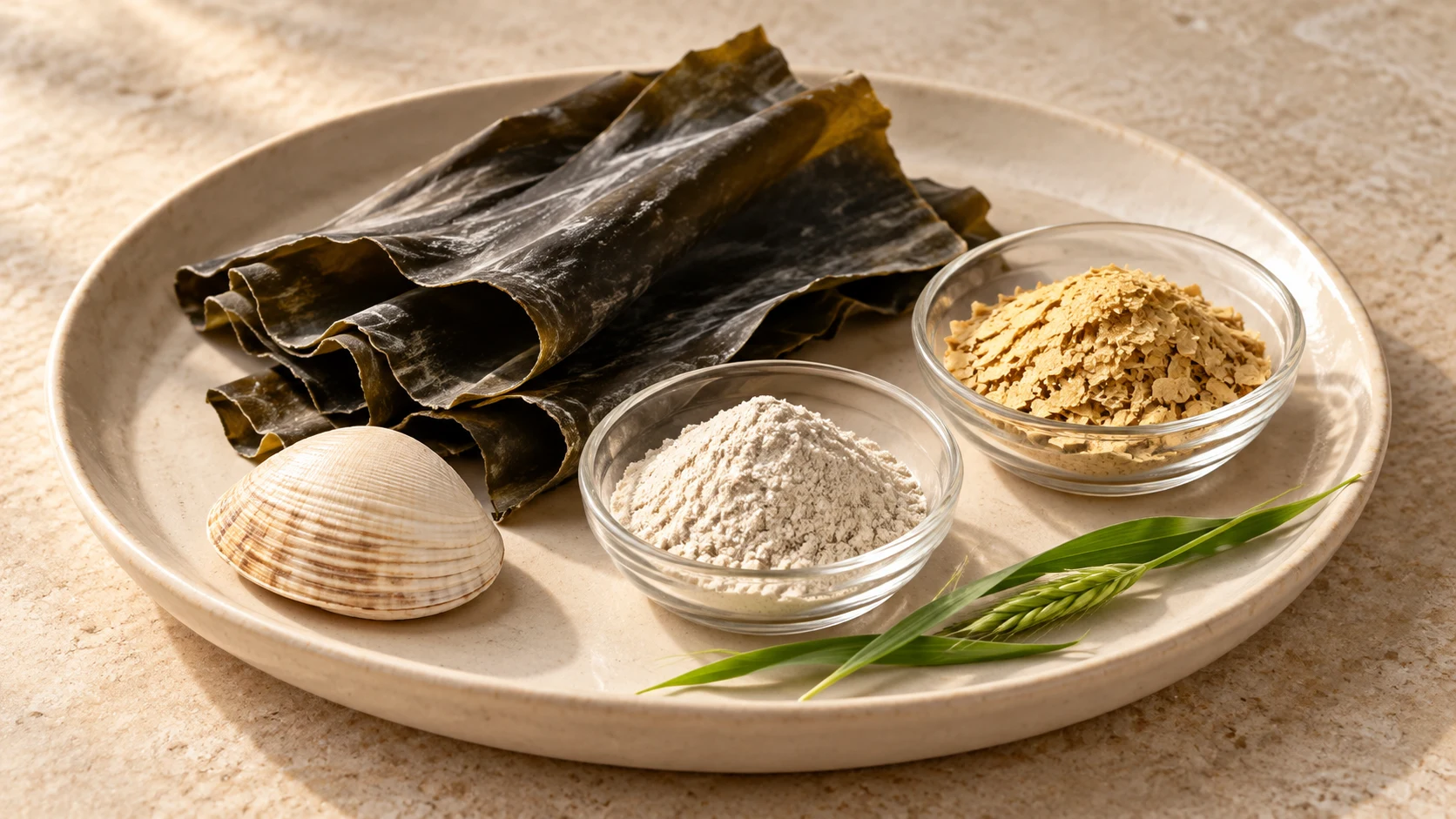
Small quantities. A wider system.
Vitamins often take the spotlight. Minerals tend to stay in the background: calcium is associated with bones, iron with haemoglobin, and magnesium with a demanding day.
Behind those familiar names is a wider system. Minerals participate in enzyme activity, signalling and tissue structure. Some are needed in hundreds of milligrams, others in micrograms. A small quantity does not mean a small biological role.
A Japanese perspective on the daily diet
The January 2026 mineral feature in The Health Industry News connects the subject with Japan’s National Health and Nutrition Survey. The newspaper highlights inadequate intake of several minerals and product development for different age groups.
The underlying Ministry of Health, Labour and Welfare survey examines diet, physical status and lifestyle. Population patterns help frame public-health questions; they do not determine one reader’s requirements. An average intake is not an individual diagnosis.
The practical question is which foods regularly appear in our diet and what nutrients they provide.
More than bones
Calcium is a structural component of bones and teeth, but also participates in muscle contraction and signalling. Vitamin D contributes to active intestinal calcium absorption.
Magnesium is required for energy production and numerous enzyme systems. It participates in neuromuscular processes and the movement of other mineral ions. Its role extends well beyond the familiar idea of a mineral for relaxation.
Selenium is part of selenoproteins involved in thyroid-hormone metabolism and protection against oxidative damage. Biological necessity does not mean that intake above a person’s needs necessarily brings additional benefit.
The number that matters on a label
A mineral ingredient has at least two levels of description: the weight of the source material and the amount of the mineral itself.
Calcium carbonate, for example, is approximately 40% calcium by weight. A declaration of 500 mg calcium carbonate therefore means something different from 500 mg calcium. A complex natural source needs its own specification; a conversion factor for another substance cannot simply be transferred to it.
This distinction matters when reading marine-calcium and mineral-enriched yeast ingredients. The source tells us about origin. The quantitative declaration tells us what the serving contributes.
Different origins. Different declarations.
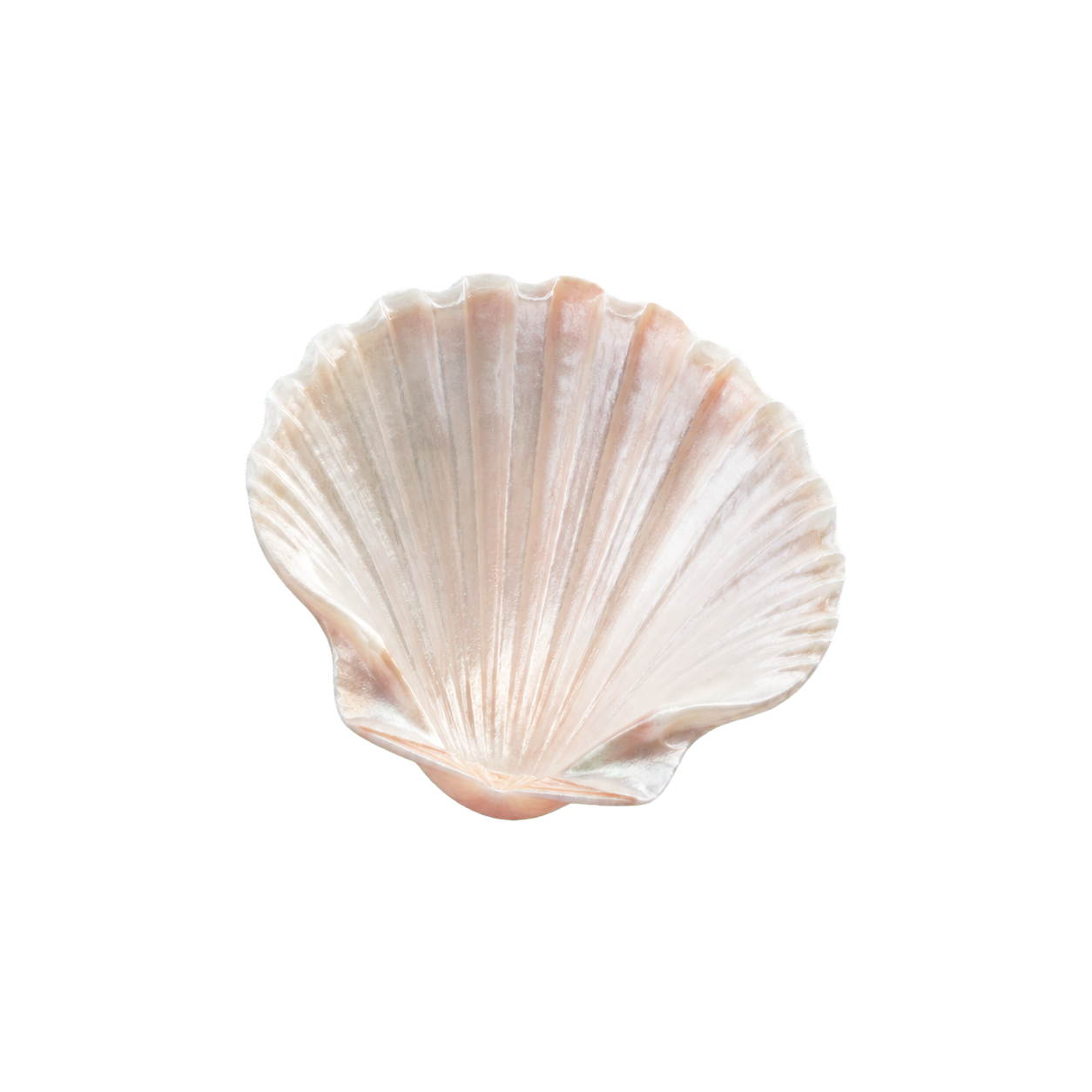
Shell-derived calcium
A source used for the calcium carbonate in SAKULORA.
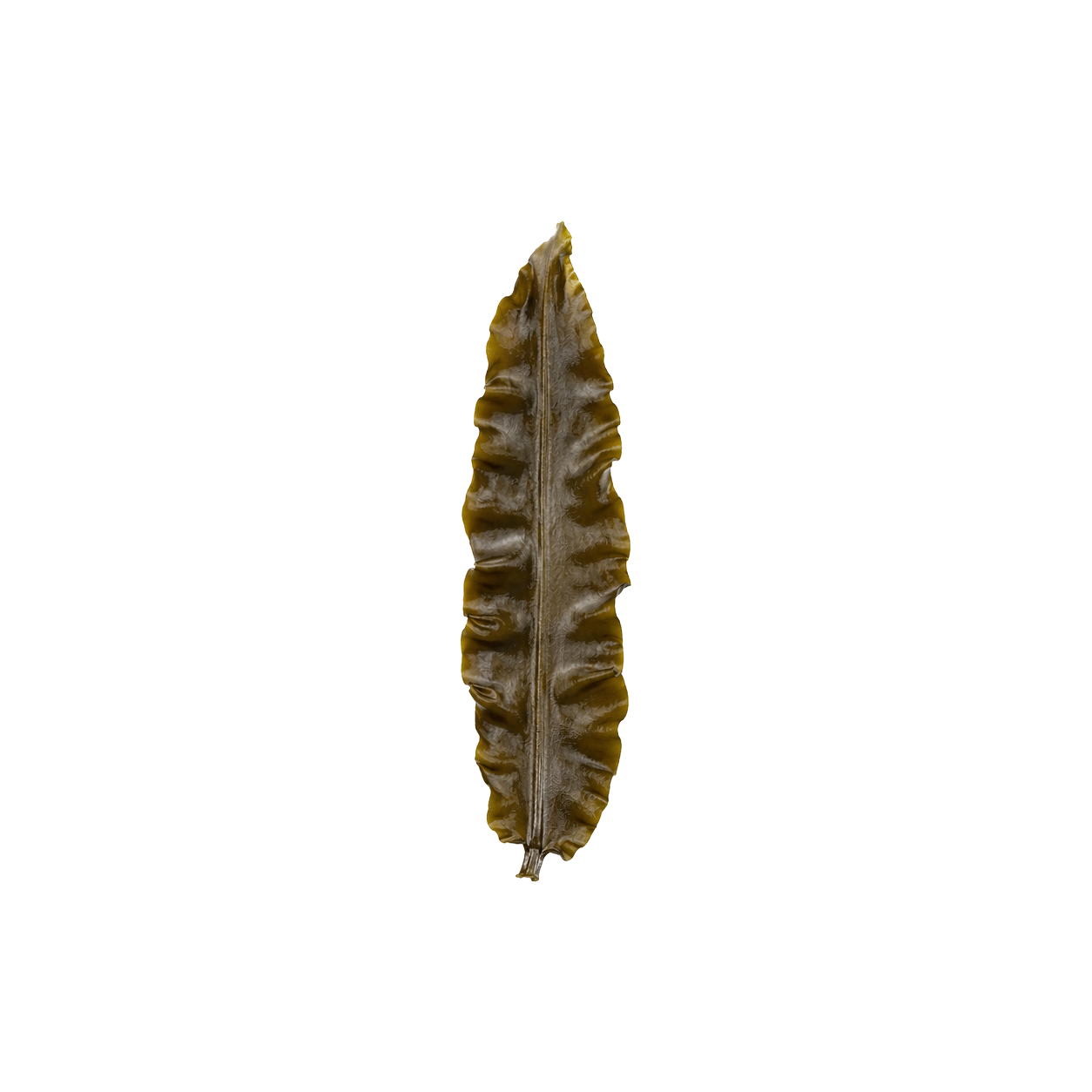
Gagome kombu
The iodine-containing marine botanical in ANA GAIN™ NU.
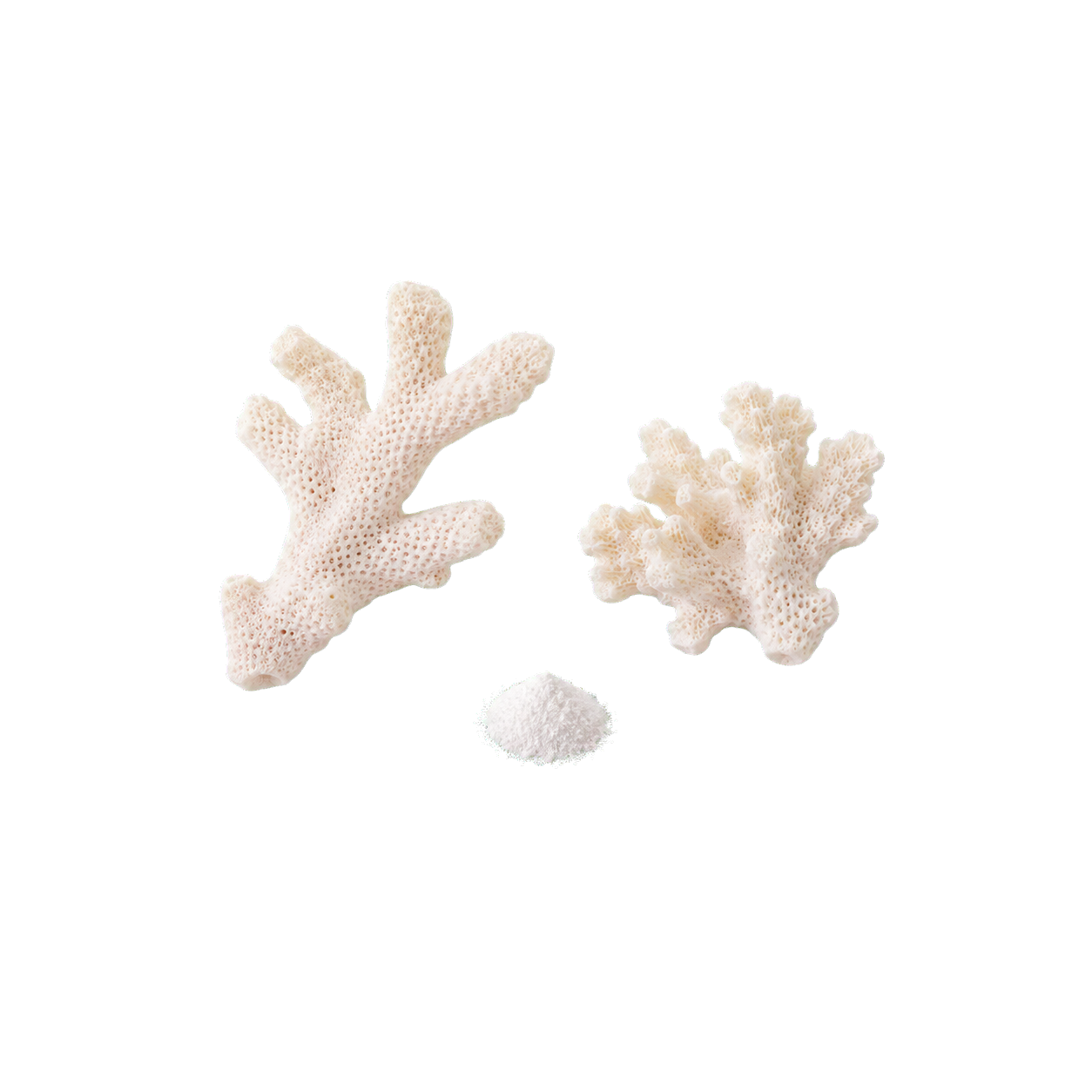
Coral-calcium material
A separately declared mineral ingredient in Okinawa Tropical Aojiru.
SAKULORA: the broadest mineral composition
SAKULORA brings minerals together with vitamins and a Japanese cherry-blossom-derived postbiotic ingredient. The four-tablet daily serving has a clearly quantified mineral profile.
Calcium is supplied as shell-derived calcium carbonate, magnesium as magnesium oxide and iron as ferric pyrophosphate. Zinc, copper, iodine and selenium are supplied through enriched yeast ingredients.
Its distinguishing feature is the variety of minerals with individually declared quantities. Vitamin D3 is also present at 15 μg per daily serving. Reading these components together preserves the distinction between each nutrient amount and total tablet weight.
Seven minerals, individually declared.
| Mineral | Amount | Source |
|---|---|---|
| Calcium | 200 mg | Shell-derived calcium carbonate |
| Magnesium | 40 mg | Magnesium oxide |
| Iron | 18 mg | Ferric pyrophosphate |
| Zinc | 8 mg | Enriched yeast |
| Copper | 0.9 mg | Enriched yeast |
| Iodine | 150 μg | Enriched yeast |
| Selenium | 55 μg | Enriched yeast |
ANA GAIN™ NU: zinc and iodine in a targeted formula
The mineral accents in ANA GAIN™ NU are 10 mg zinc and 100 μg iodine per three-capsule daily serving. Zinc comes from enriched yeast; iodine is sourced from gagome kombu, a marine botanical associated with Hokkaido.
These ingredients sit alongside pea-sprout extract, hydrolysed keratin and amino acids. The distinctive feature is two different mineral sources within a hair-and-nail formula. Source identity alone does not demonstrate superior absorption or a hair-growth outcome.
Her Harmony: calcium from marine algae
Her Harmony / Soy Isoflavones Aglycone pairs seaweed calcium with vitamin D, aglycone-form soy isoflavones and other ingredients. Its distinguishing feature is a mineral component within a women-focused composition.
The published label does not declare an elemental calcium amount. We can therefore describe its presence and source while leaving the quantitative contribution open.
Okinawa Tropical Aojiru: a mineral companion to island greens
Young barley grass, moringa, chlorella, Okinawan vegetables and fruits tend to attract attention in Aojiru. The formula also has a separate mineral component: 180 mg of coral-calcium source material per stick, alongside 5 μg vitamin D.
Its distinguishing feature is a green botanical base combined with an explicitly declared mineral ingredient. The 180 mg describes coral-calcium material, not 180 mg elemental calcium. It cannot be compared directly with SAKULORA’s 200 mg calcium declaration.
Liposomal Nano Iron: one mineral at the centre
Liposomal Nano Iron provides 12 mg iron per two-capsule daily serving, supplied as liposomal ferric pyrophosphate. Vitamin C, folic acid, lactobionic acid, Japanese apricot extract and BioPerine® complete the supporting composition.
Its distinguishing feature is a targeted mineral formula with a defined iron quantity and selected delivery format. The influence of a particular liposomal preparation on absorption and tolerability requires evidence for that preparation; the word liposomal alone does not establish the result.
Our separate iron feature takes a closer look at ingredient form and delivery.
Balance starts with the complete picture
The same mineral can appear in more than one product. When putting together a nutrition programme, consider the diet and total intake from supplements rather than automatically combining every formula mentioned here.
For example, sustained excessive zinc intake can interfere with copper absorption. Mineral nutrition calls for balance, rather than continuously increasing amounts.
Marine algae, shells, coral-calcium material and enriched yeast make the ingredient story varied. Reading a label becomes more useful when we ask three questions: which mineral, in which form, and how much in the serving?
Food supplements complement the diet. Individual assessment is particularly important during pregnancy, with thyroid or kidney conditions, and when taking medicines.
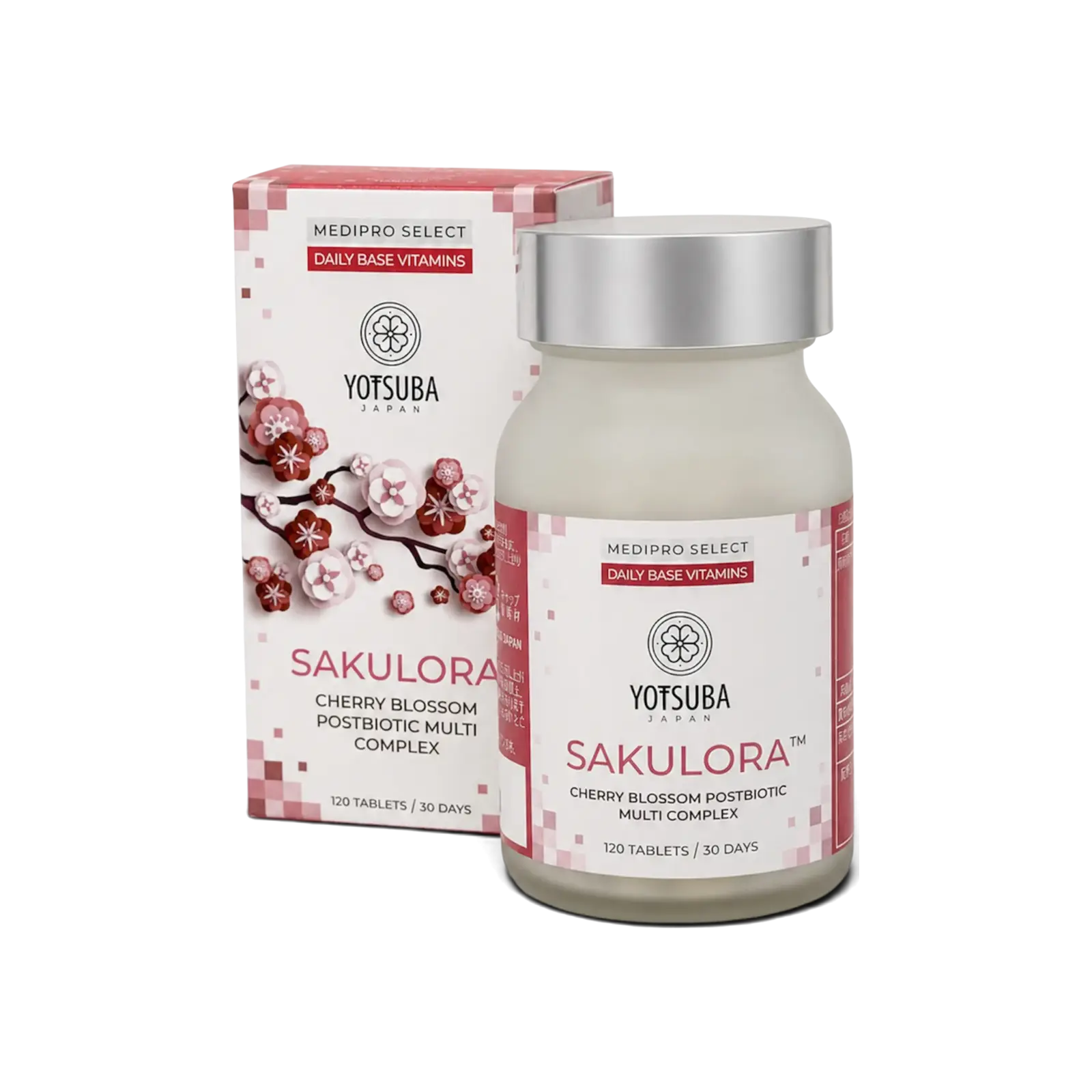
SAKULORA™
A broad micronutrient formula with seven declared minerals, including shell-derived calcium and yeast-derived trace elements, alongside vitamins and a cherry-blossom-derived postbiotic.
Explore the formula ◎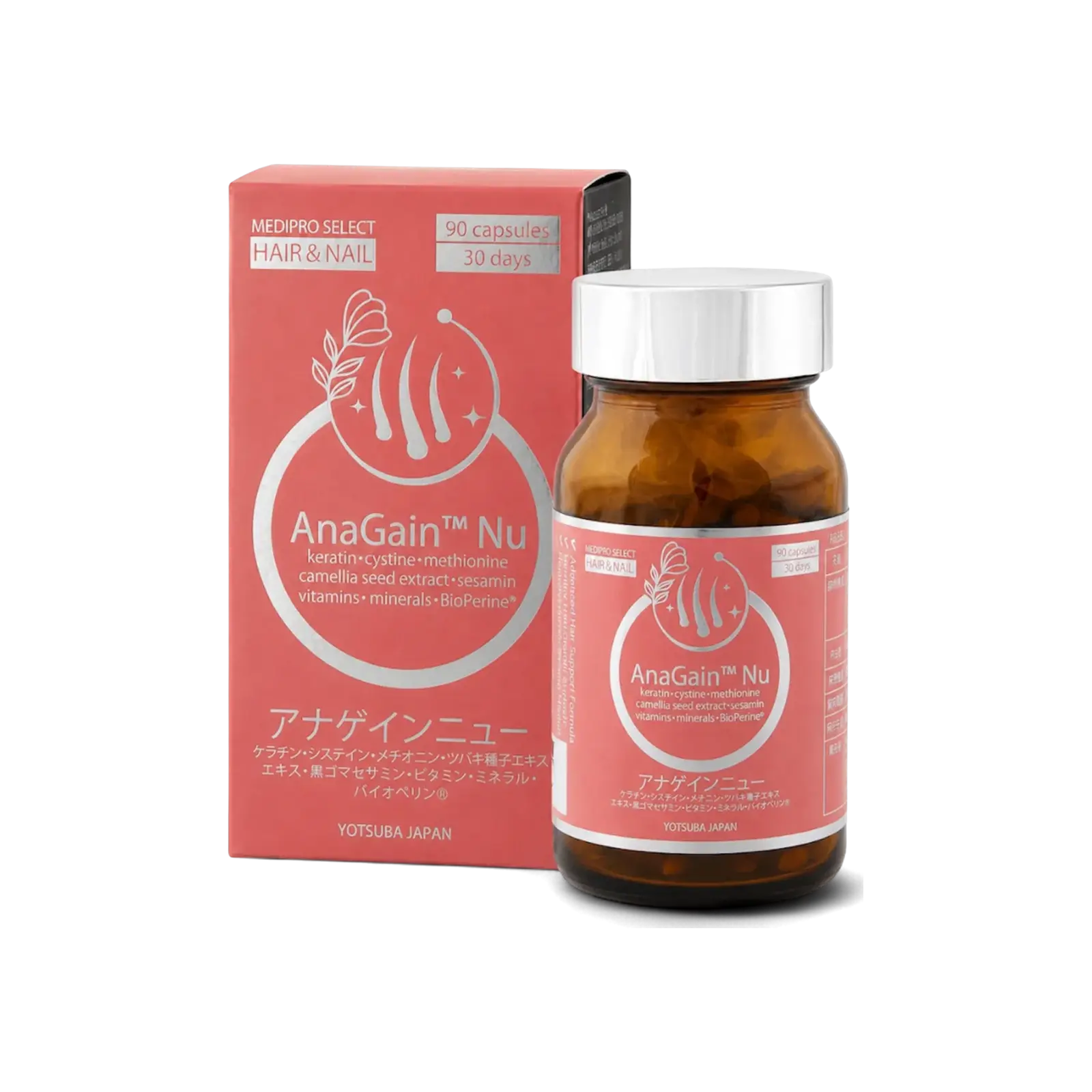
ANA GAIN™ NU
A hair-and-nail composition providing 10 mg zinc from enriched yeast and 100 μg iodine from gagome kombu per three-capsule daily serving.
Explore the formula ◎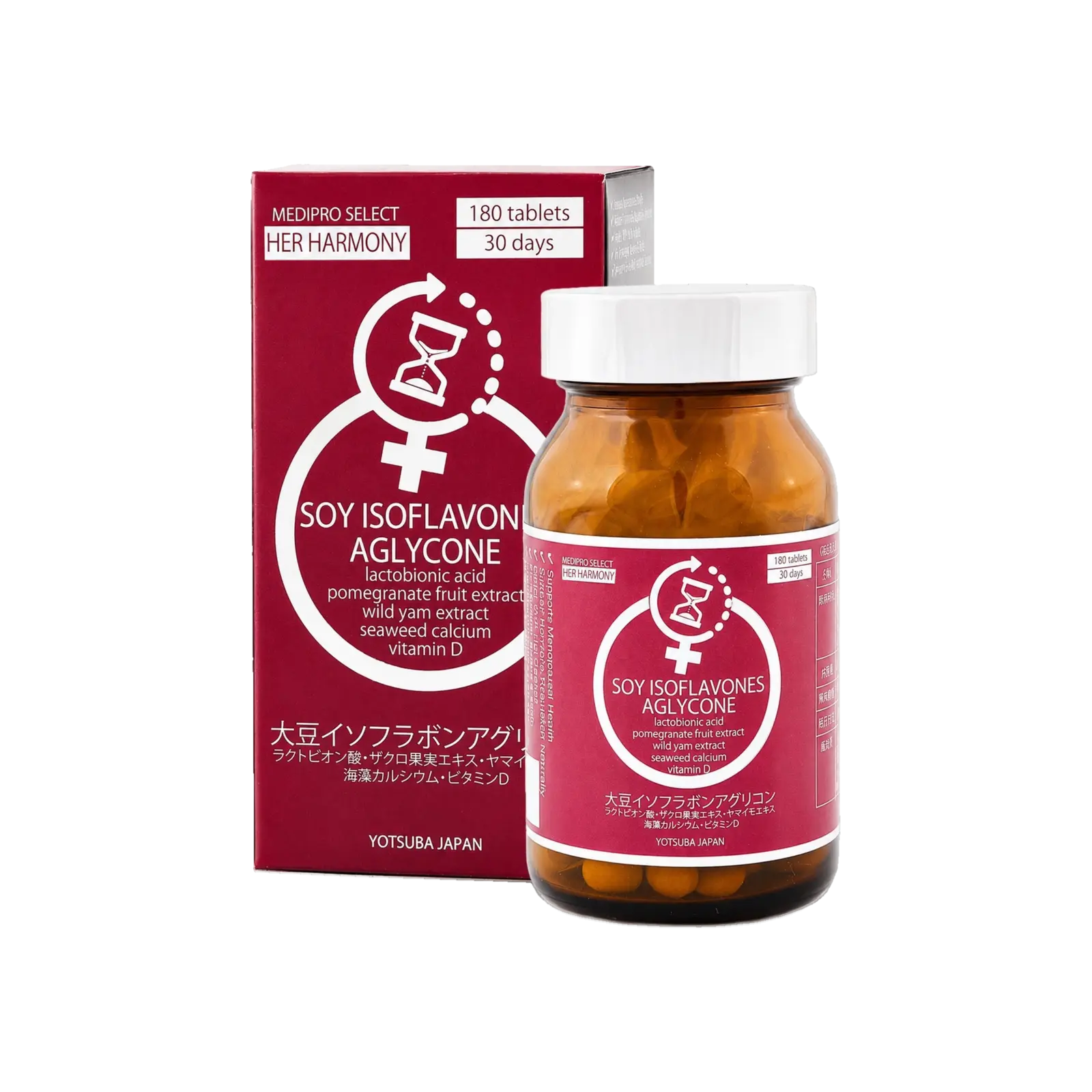
Her Harmony · Soy Isoflavones Aglycone
Seaweed calcium and vitamin D accompany the aglycone-isoflavone core. The elemental calcium contribution is not quantified on the published label.
Explore the formula ◎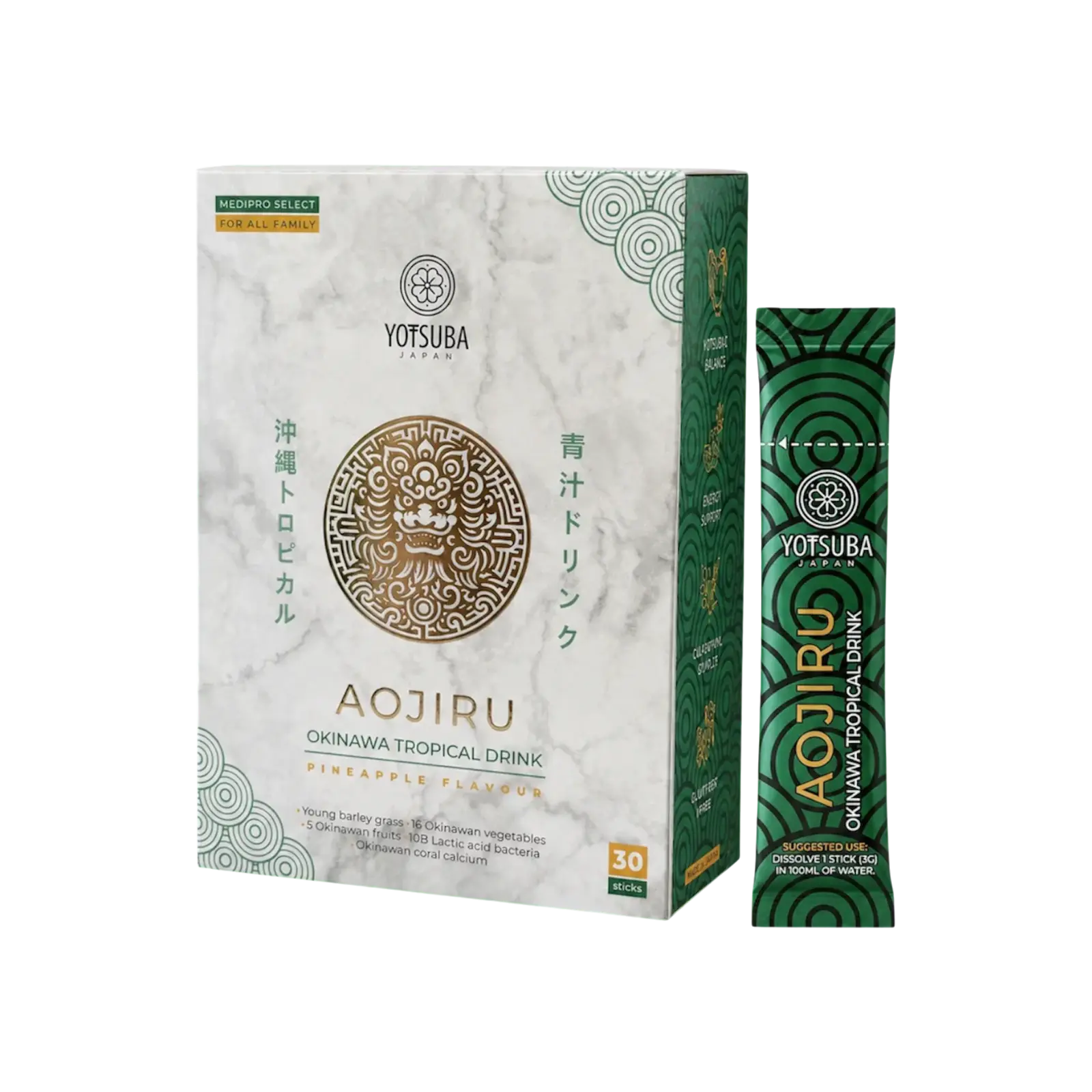
Okinawa Tropical Aojiru
Island greens with 180 mg coral-calcium source material and 5 μg vitamin D per stick. Source-material weight is distinct from elemental calcium content.
Explore the formula ◎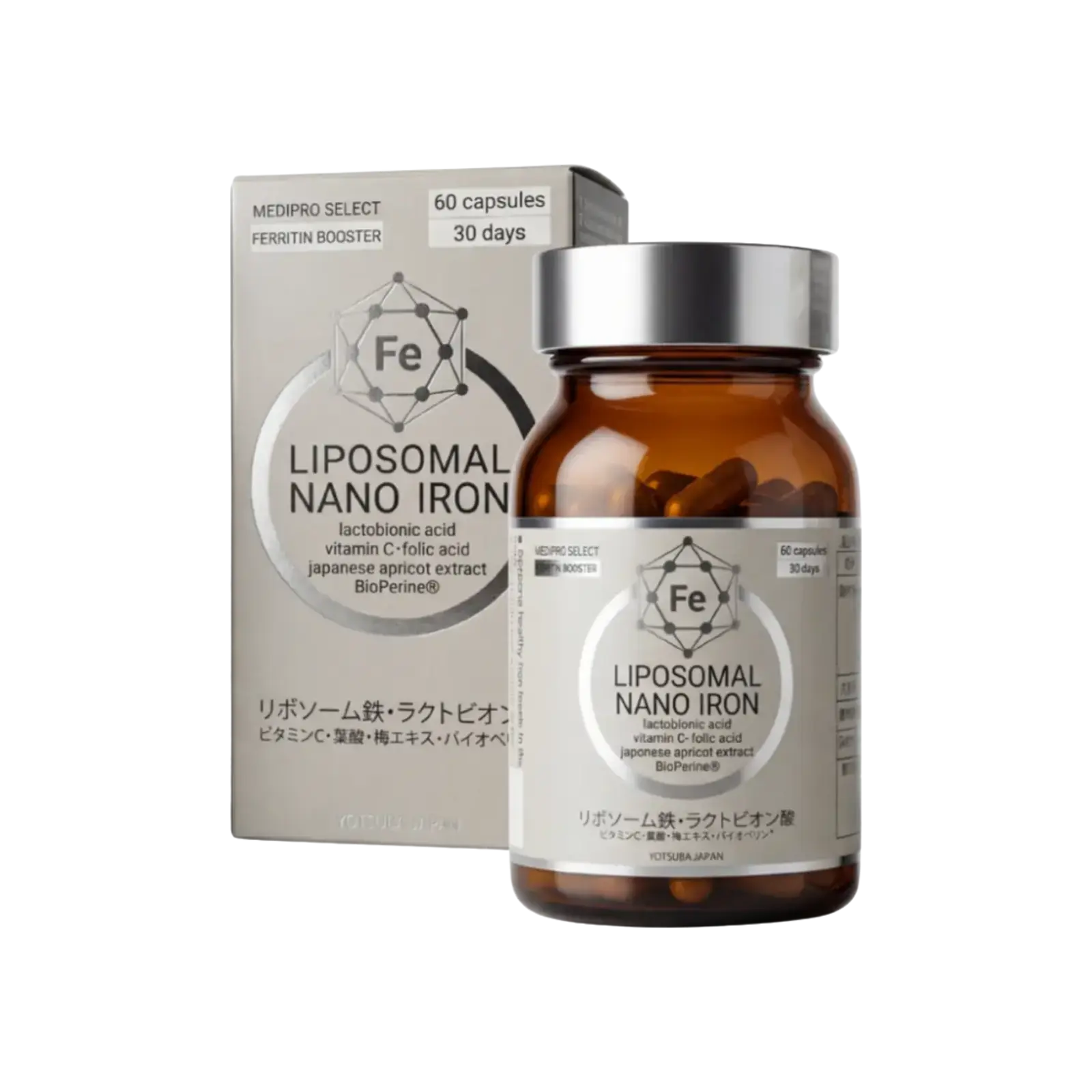
Liposomal Nano Iron
A targeted formula providing 12 mg iron per two capsules as liposomal ferric pyrophosphate, with vitamin C and complementary ingredients.
Explore the formula ◎