A closer look at PUA exosomes.
Inside the ingredient research presented in Tokyo — and the results we saw first-hand.
8-OHdG · THE FOUR-WEEK OBSERVATION
Relative to each group’s baseline of 100%. Redrawn from the presentation, slide 21.
On 16 October, Yotsuba Japan attended the PUA research presentation at Food Ingredients Japan in Tokyo. We received the latest presentation materials directly from the ingredient developer, with a closer look at the composition and human research behind this distinctive extract.
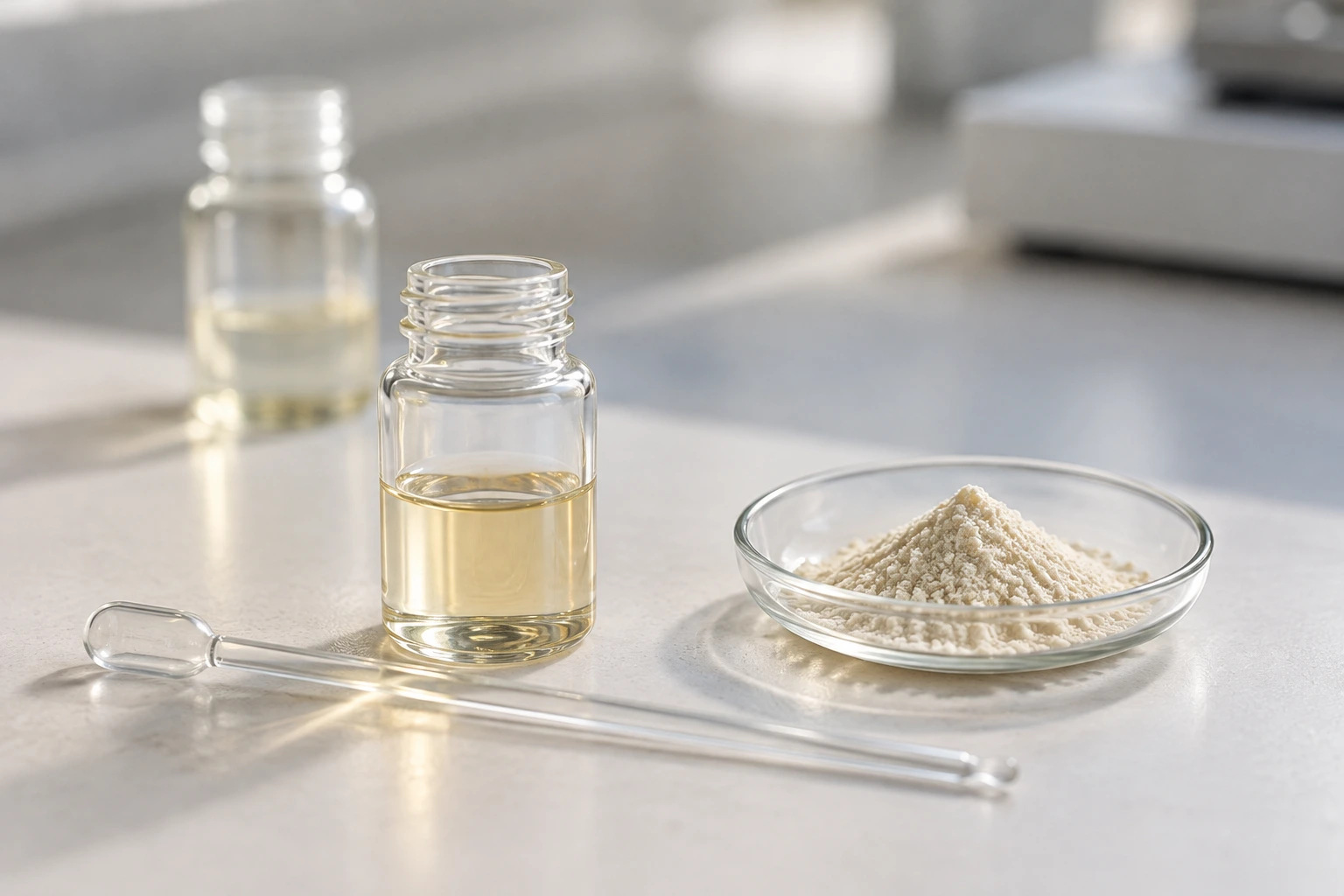
PUA brings together placenta, umbilical-cord and amnion extracts in one extraction process. The lecture explored this exosome-containing raw ingredient through analytical work and a four-week human study involving 18 women, using 200 mg of PUA per day.
The presentation tracked 8-OHdG, a marker of oxidative DNA damage. With each group’s starting level set at 100%, the four-week value was 86% in the PUA group and 255% in the control group. The accompanying graph follows the values shown in the original research slides.
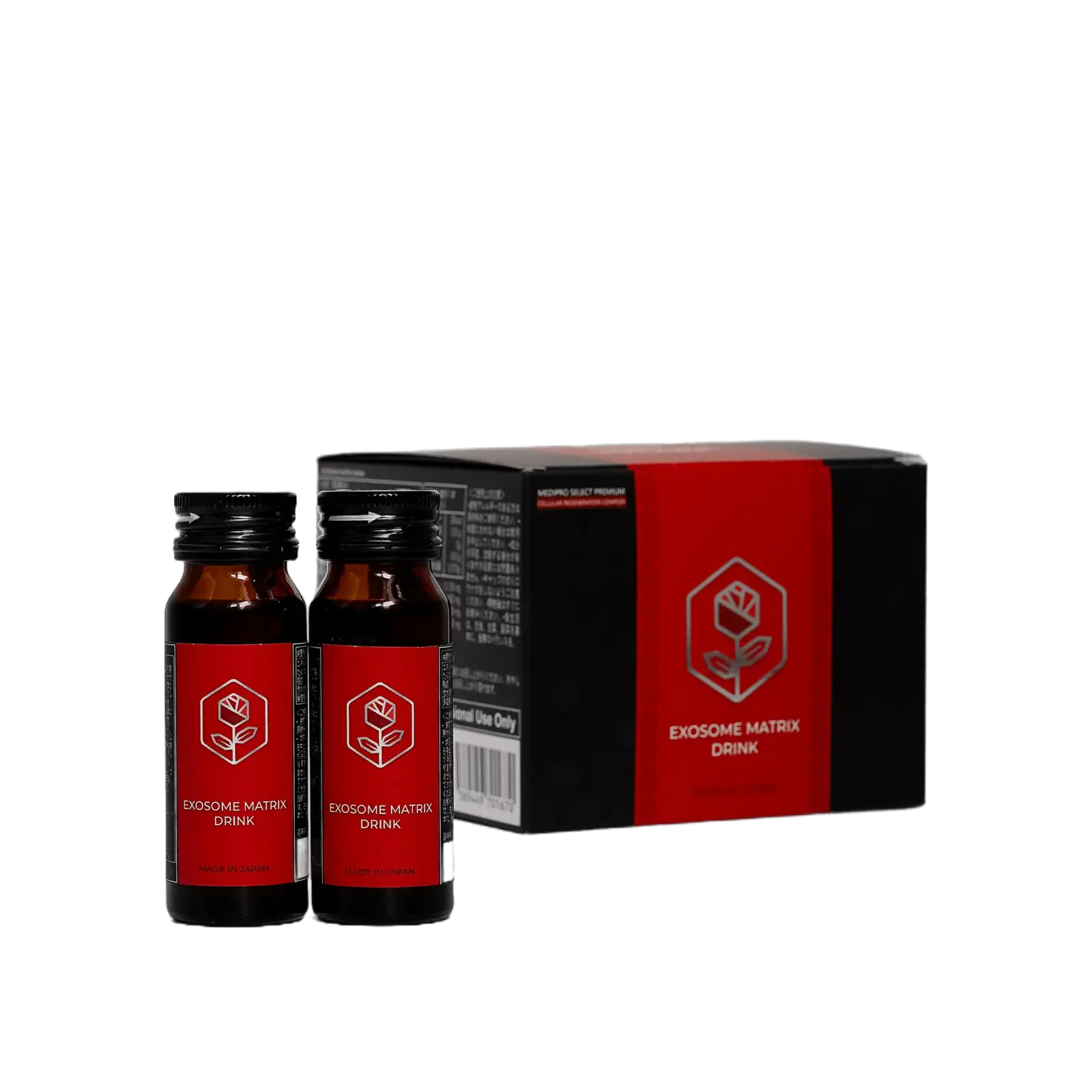
PUA is one of the ingredients in EXOSOME MATRIX DRINK, together with food-derived nucleotides, fermented collagen and selected beauty nutrients.
Source: developer’s presentation attended on 16 October 2026, slides 20–21. Raw-ingredient study: 18 women, four weeks, 200 mg/day. Values shown are relative to baseline.