
All productsOKINAWA
Okinawan fermentation · Daily enzyme & culture system
OKINAWA
WILD HERBS
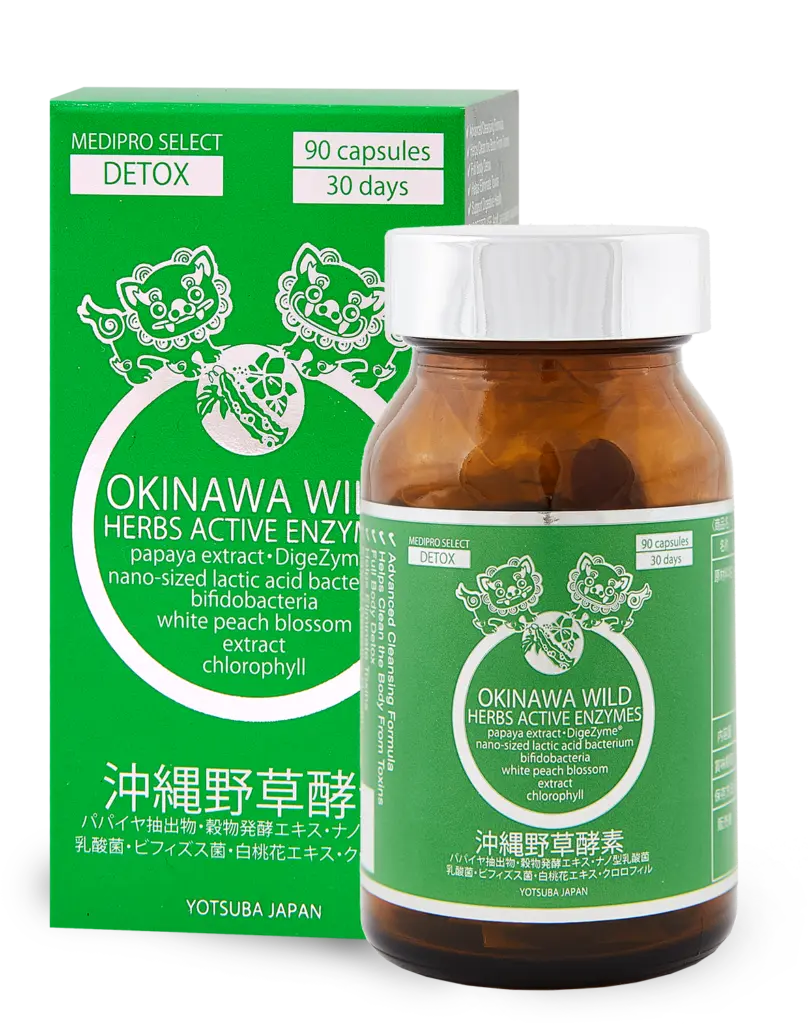
A Japanese capsule formula combining a fermented 15-plant extract with papaya, DigeZyme®, white peach blossom and three heat-treated culture ingredients.
90capsules3per day30days
Why it is distinctive
Okinawan botanical heritage.
Japanese fermentation precision.
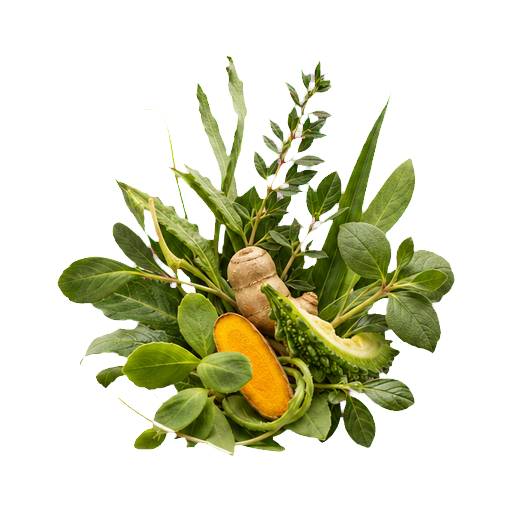
The formula centres on a measured extract made from fifteen plant materials fermented with Lactobacillus plantarum, bringing leaves, stems, fruits, seeds and rhizomes into one compact daily system.
Papaya extract and DigeZyme® form the enzyme layer, while heat-treated bifidobacteria and two plant lactic acid bacterial preparations add a separate culture-derived dimension.
Process · botanicals and fermentation
Botanical complexity.
A fermentation chapter.
A fifteen-plant ingredient matrix meets fermentation, then a separately supplied five-enzyme system completes the concept.
Explore ingredient evidenceYOTSUBA JAPAN / FORMULA STUDY
01/ 03
Fifteen plants
Fifteen botanical ingredients make up the documented plant matrix.
Illustrative ingredient study. Shapes and movement are simplified; product evidence is reviewed separately.
Formula architecture
One daily system.
Four source layers.
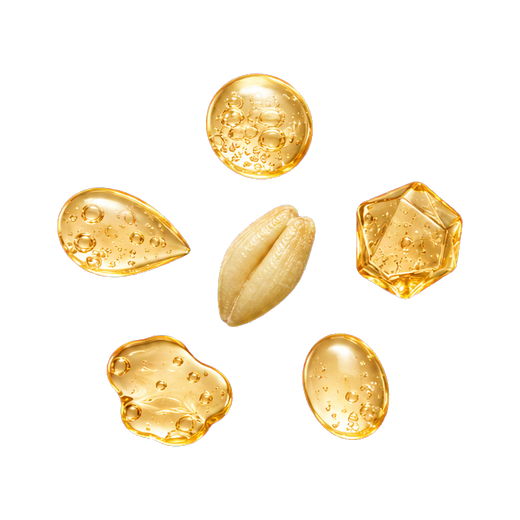
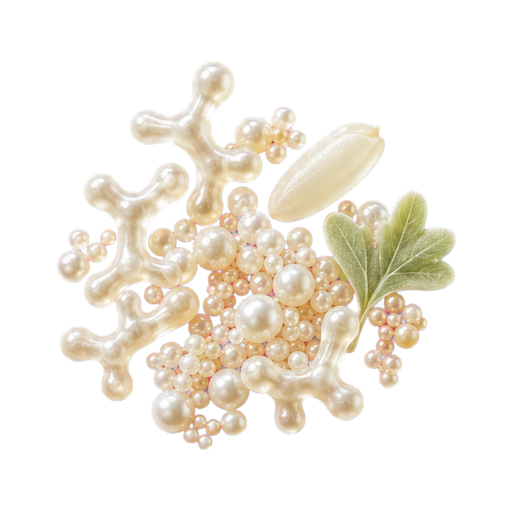
Inside the formula · per 3-capsule daily serving
Eight measured layers.
One verified basis.
The eight quantified functional preparations total 877.2 mg within 1,020 mg of daily capsule fill. Chlorophyll is identified in the specification as a colour preparation, not an active ingredient.Select an ingredient to explore its source or food comparison
Food & ingredient forms
Papaya
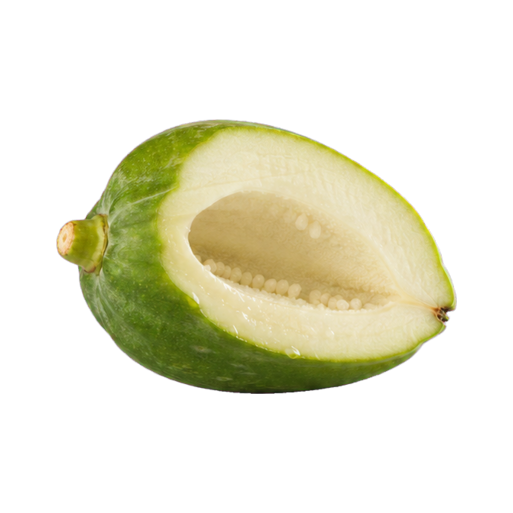
Papaya fruit · Papaya extract powder
A comparison of source and prepared forms
Papaya fruit
Whole fruit combines water, fibre and a broad plant-constituent profile.
Papaya extract powder
The prepared extract has its own composition; enzyme activity is a separate measure.
Ingredient perspective & source
Whole fruit combines water, fibre and a broad plant-constituent profile. The prepared extract has its own composition; enzyme activity is a separate measure. The largest named plant-derived component in the three-capsule serving; the specification identifies papain-related proteolytic activity for the papaya raw material.
This visual explains ingredient identity or origin. It does not represent a food portion, a measured extraction ratio, equivalent nutrition, absorption or a health effect.
Yotsuba Japan · Formula declarationFood quantities compare selected constituent content only. Form comparisons explain the relationship between a familiar source and a prepared ingredient; they do not imply a portion or extraction ratio. Foods and supplements differ in nutrition, absorption and health effects. Images are illustrative, not measured portions or eating recommendations.
Papaya extract powder: ingredient perspective open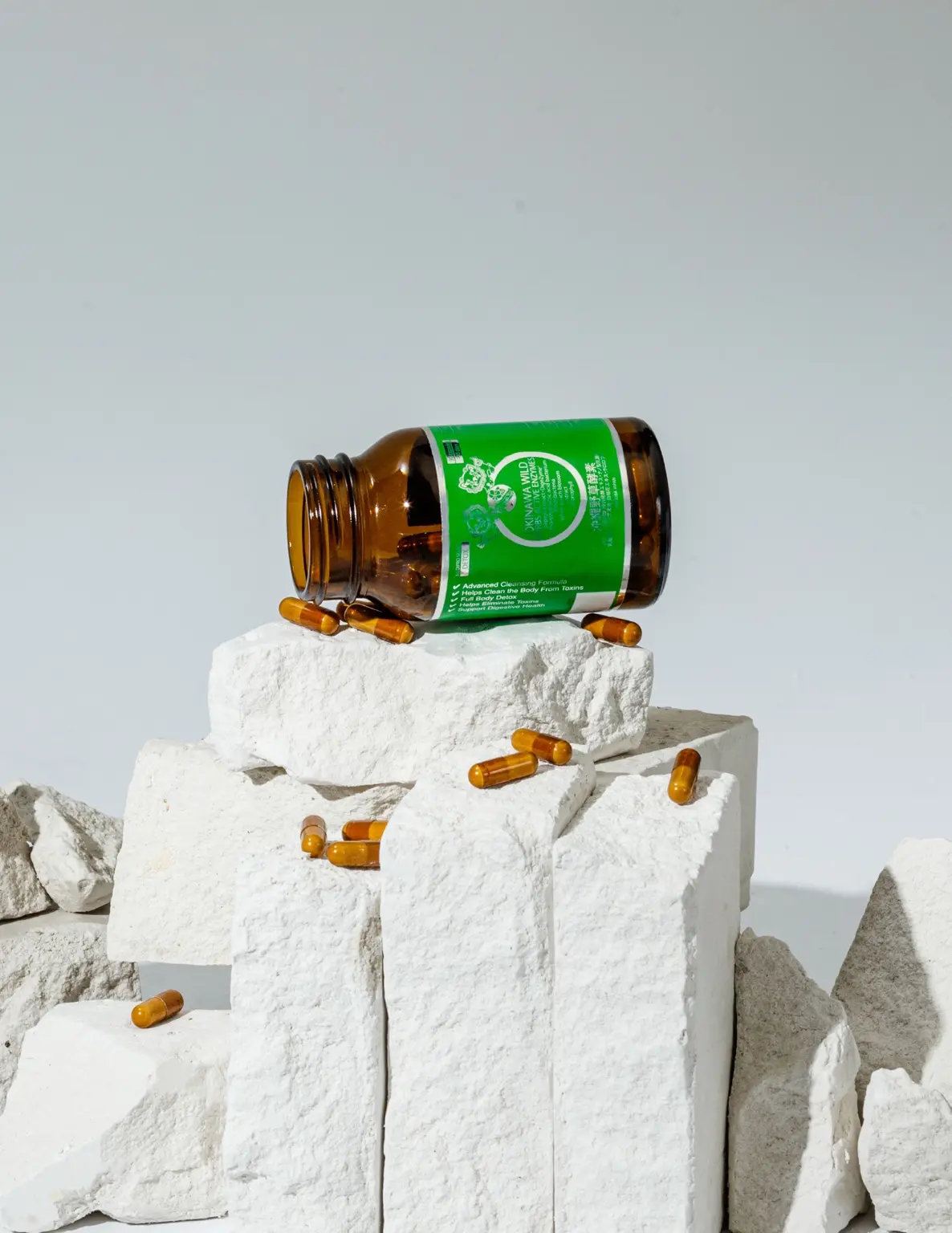
A compact Japanese capsule ritual
Botanical complexity.
Designed for everyday use.
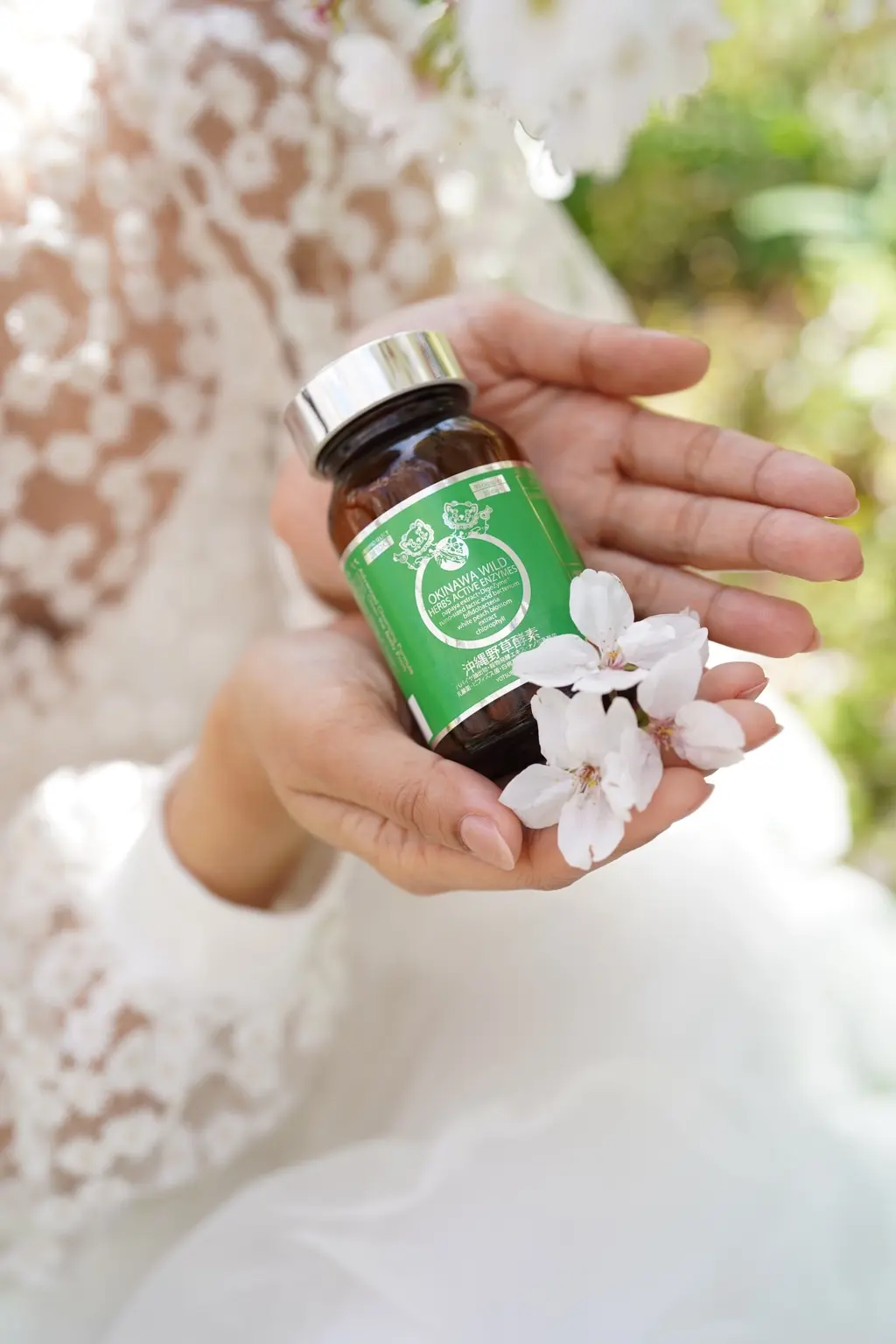
The amber capsules bring the fermented plant matrix, five-enzyme complex, papaya, peach blossom and culture-derived ingredients into one measured 30-day format.
Three capsules daily90-capsule amber glass bottle30-day professional programme
Ingredient evidence library
Evidence, with the
right boundaries.
Important distinctionThe sources below concern individual raw materials, non-equivalent preparations, different doses or preclinical models. They are not clinical trials of the complete Yotsuba formula.
DigeZyme®Randomised human study
A 60-day multi-enzyme study
A double-blind, placebo-controlled study evaluated DigeZyme® at 50 mg three times daily in 40 adults with functional dyspepsia. It examines the branded enzyme complex, not this multi-ingredient Yotsuba formula.
Plant-origin SNKOfficial raw-material source
Origin in Japanese sunki fermentation
The ingredient developer describes SNK as heat-treated Lactiplantibacillus plantarum derived from traditional sunki pickles and processed to below one micrometre. This identifies the raw material; it is not efficacy evidence for the finished product.
L. plantarum SNK12Randomised human study
A stress-response study of SNK12
A placebo-controlled trial studied 50 mg and 150 mg daily doses of an SNK12 preparation during a temporary mental-stress task. Its objective and doses differ from this formula and do not establish a digestive outcome.
White peach flowersPreclinical study
Research on intestinal motility
A laboratory and animal study examined an extract of Prunus persica flowers in models of gastrointestinal motility. It is preclinical work on another preparation, not a clinical trial of this product.
Professional product data
Complete details,
clearly organised.
Product data are presented from the current Japanese label and product specification.Complete ingredients & allergens01
Current Japanese composition: Papaya extract powder (maltodextrin, papaya extract; manufactured in France), fermented cereal extract powder (fermented cereal extract, maltodextrin; manufactured in India), heat-inactivated Bifidobacterium powder (dextrin, heat-inactivated Bifidobacterium), fermented plant extract powder (dextrin, fermented plant extract), white peach blossom extract (dried peach blossom, maltodextrin), copper-containing yeast, lactic acid bacteria powder (dextrin, heat-inactivated lactic acid bacteria), plant-derived lactic acid bacteria powder (heat-inactivated plant-derived lactic acid bacteria, dextrin), HPMC, crystalline cellulose, chlorophyll colour, calcium stearate and caramel colour.
Allergen information: Contains milk, wheat and peach. The approved market-specific label remains authoritative.
The fifteen fermented plant materials02
01Peucedanum japonicum02Orthosiphon stamineus03Artemisia campestris04Artemisia indica05Psidium guajava06Curcuma longa07Gynura bicolor08Morus australis09Momordica charantia10Curcuma aromatica11Botrychium lanceolatum12Ipomoea batatas13Foeniculum vulgare14Zingiber officinale15Allium sativum
Format & daily serving03
Format 90 capsulesDaily serving 3 capsulesSupply 30 daysNet content 36.9 gCapsule weight 410 mgFill weight 340 mgShell weight 70 mg
Nutrition per daily serving04
Energy 4.66 kcalProtein 0.28 gFat 0.01 gCarbohydrate 0.87 gSalt equivalent 0.0021 g
Nutrition values are stated per three-capsule daily serving (1.23 g).
Use, storage & precautions05
Take three capsules daily with water or warm water according to the current Japanese directions. Store away from high temperature, humidity and direct sunlight. Consult a qualified healthcare professional before use if taking medication, managing a medical condition, pregnant or breastfeeding. Discontinue use if an adverse reaction occurs. Keep out of reach of children. Natural ingredients may create minor colour or flavour variation between lots without affecting quality. This is a food supplement, not a medicine.
日本MADE
IN JAPAN
IN JAPAN
Fermentation-led Japanese formulation
Fifteen plants,
completed in Japan.
The formula combines an Okinawan botanical narrative with specified microbial enzymes and heat-treated culture ingredients in a 90-capsule product manufactured in Japan for professional export channels.
Frequently asked
Clear answers,
without overclaiming.
01What is the daily serving?+
The current Japanese directions indicate three capsules daily with water or warm water. Follow the approved label for the destination market.
02Which enzymes are represented in DigeZyme®?+
The supplied specification identifies α-amylase, lactase, lipase, cellulase and neutral protease in the fermented-grain enzyme preparation.
03Are the bacterial ingredients live probiotics?+
No. The current label and specification identify the bifidobacterial and lactic acid bacterial materials as heat-treated or sterilised preparations.
04Is the product gluten-free, dairy-free or vegan?+
The supplied specification and label information identify milk, wheat and peach. The HPMC capsule shell contains no gelatin, but the complete product should not be positioned as gluten-free, dairy-free or vegan on the basis of the current documentation.
05What is the capsule shell made from?+
The 70 mg hard capsule shell is cellulose-based: 56.5 mg HPMC (hydroxypropyl methylcellulose) and 13.5 mg caramel colour E150c per capsule. It contains no gelatin.
06What does nano-sized SNK mean?+
The raw-material supplier describes a heat-treated L. plantarum preparation processed to a particle size below one micrometre. The term should not be interpreted as proof of absorption or a clinical outcome for this product.
07Are the cited studies trials of the finished formula?+
No. They concern individual ingredients, different preparations, doses or research objectives. The complete Yotsuba formula has not been represented as clinically tested in the sources shown here.
Food supplement · Not a medicine
Product information is educational and intended for professional portfolio review. It is not medical advice and is not intended to diagnose, treat, cure or prevent disease. Suitability, permitted claims and labelling must be assessed for each destination market.Okinawa Wild Herbs · 30-day daily system